Do not infer a worthwhile excursion from proximity alone
Another town nearby quickly sounds like a simple addition. Geographical closeness does not explain whether the outing suits a short stay. Ask what you want there and what disappears from the original city plan. An excursion does not automatically generate more holiday time; it reallocates the time already available. The trade-off should be visible before the second destination becomes obligatory.
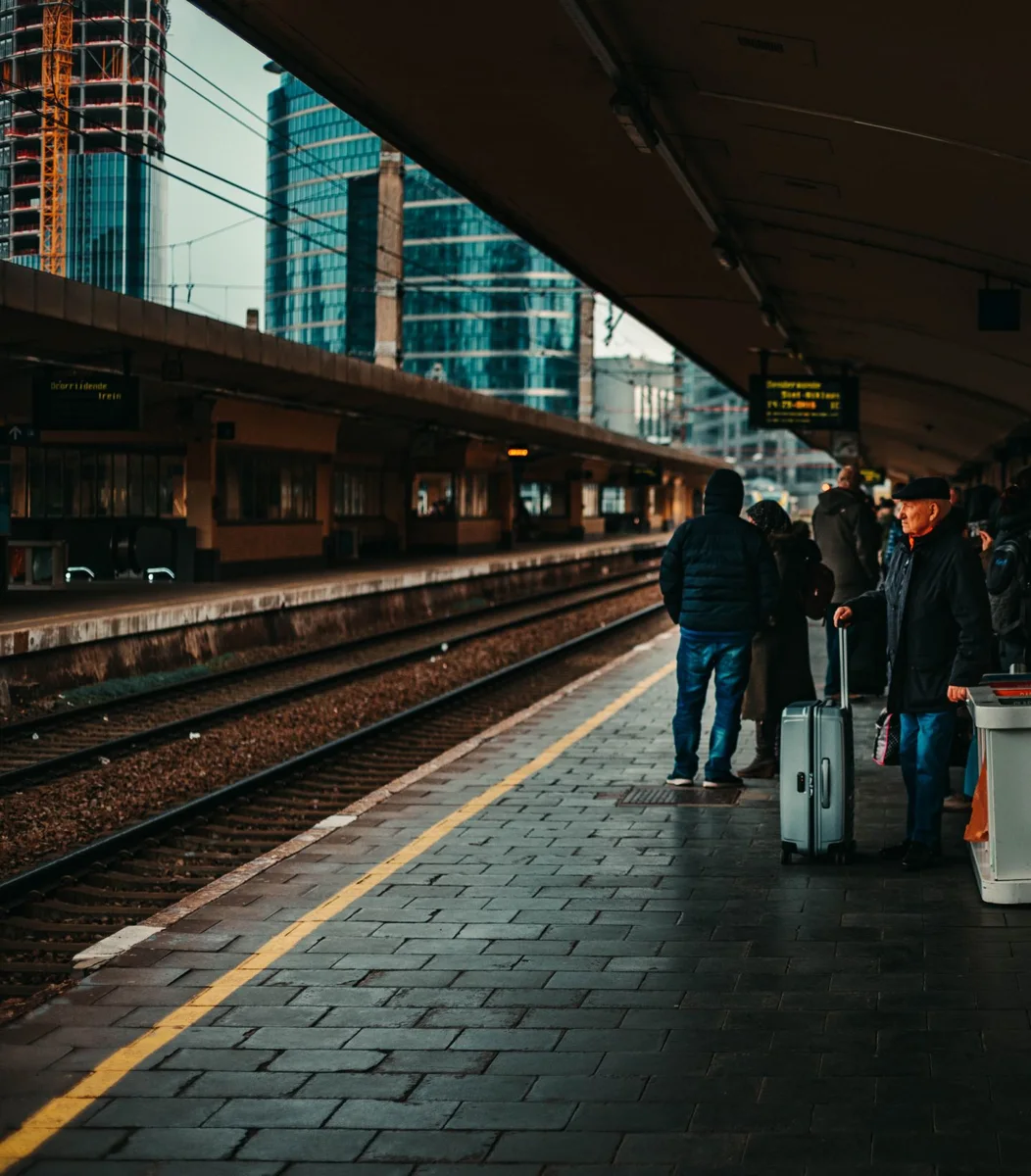
A Berlin stay might include a Potsdam day, for example. DB publishes connection information between the two cities. Planning still extends beyond station to station: accommodation to departure, arrival to the actual destination, the stay and the full return. Check that chain for the date and places involved. A headline route cannot describe every local stage.
If one person wants to go mainly because of the name, identify a real destination first. A palace, neighbourhood and park section provide different reasons. A station photograph or hurried walk to one image does little to explain the time given up in the original city when both travellers actually wanted a longer stay somewhere.
Avoid adding a second complete sightseeing day
Choose one main area and, at most, a clear complement at the excursion destination. For Potsdam, that might mean a selected Sanssouci visit with a limited town section. The responsible foundation specifies timed palace admission. That must fit arrival and entrance arrangements; the rail journey alone does not resolve the sequence. Check the access actually booked.
Do not add every other palace simply because you have reached Potsdam. This does not make travel time more efficiently used; it makes the stay denser. An excursion may work precisely because it differs from the original city. That contrast needs time, or the day becomes merely more admissions. Protect the new subject rather than filling its surroundings immediately.
For a landscape excursion, the main question remains but details change: which officially accessible route or permitted place is the destination? Current conditions can affect the choice. Do not mentally transfer an urban circuit to a natural area with different paths and return options. Use the responsible local information for that setting rather than assuming every visible route is available.
Understand the return before booking
Examine return connections too. A suitable early outward journey says little about getting back from the actual finishing point. This matters particularly when the final visit is not beside the arrival station. Use the ending's location rather than the destination's name alone. Include any local movement needed to reach the main connection.
There is no requirement to use the last theoretically possible service. Choose a return framework fitting food, attention and the desired evening. With a fixed appointment back in the original city, the connection between both halves needs to be clear. If uncertain, leave that evening open rather than filling every possible interval. Travel margin is useful even when no problem occurs.
Agree what can disappear after a longer pause or changed connection. The optional section should be recognisable at the excursion destination. If every stop is essential, the outing may already be too large. A sound selection can remain worthwhile even if its second activity is omitted. Plan that version before it becomes necessary.
Compare two starting situations honestly
On a first brief city trip, an excursion can mean seeing the original destination only superficially. That is not inherently wrong, but it should be intentional. Perhaps the accommodation is mainly a base for two different interests. Describe the trip accordingly rather than expecting a complete city weekend plus a free extra day. One cannot occupy the same hours twice.
Someone familiar with the main city values the time differently. A known evening area and a new excursion may work well together. Packing, luggage and departure still matter. An outing on the final day carries different return obligations from one in the middle of the stay. Check whether the available margin reflects that difference.
For two travellers, the contrast gained provides a useful criterion. If both can name the excursion as a wish in its own right, it contributes more than a general aim to cover the surroundings. If only one is interested, a limited separate city section may be preferable to an entire shared transfer day. Compare the actual experience rather than the number of destinations.
Conclude with a selection
Once chosen, mark the excursion's core and leave further places as possibilities. Do not immediately add every discovery. Connecting a main city with a neighbouring place becomes stronger through priorities rather than completeness at both. Keep the purpose clear while checking practical details.
The combination should be easy to explain: stay in the city and spend one day on this different focus. If almost every section is governed by the next transfer instead, the selection still needs work. Less additional distance may reveal more of the difference you wanted. A deliberately modest excursion can remain a full part of the trip without becoming another complete holiday inside it.
Sources & current information
Opening hours, connections and conditions can change. Consult official sources before travelling and follow local notices.