Start with the space in your bag
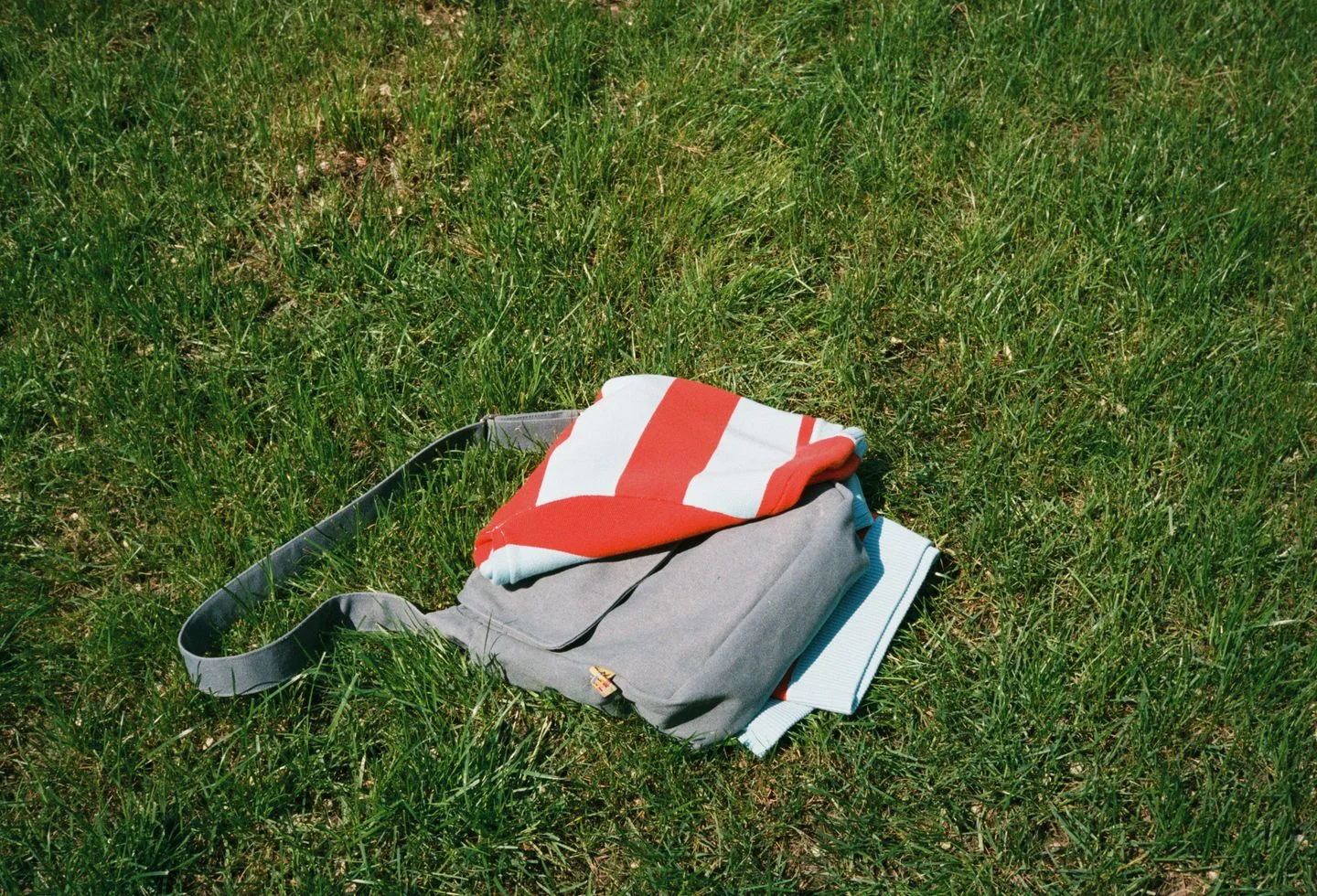
Choose a bottle with its intended carrying position in mind. A narrow side pocket, a small backpack compartment, and a crossbody bag impose different shapes. Measure more than height: a broad base may catch even when the bottle's neck slips easily into the pocket. A projecting handle or wide cap also occupies space, particularly when you need to slide the bottle out beside a packed jacket.
Then consider it full. A large insulated bottle may make sense for a longer outing, but it can consume much of a small city bag's carrying capacity. A couple walking short stages between confirmed refill opportunities has a different requirement from one spending a long stretch without them. Check that a proposed refill point is actually available rather than assuming a map symbol guarantees access.
If comparing bottles at home, place each in the intended pocket with the rest of the day's belongings already packed. This reveals whether taking it out pulls another object out too, or whether the cap prevents the bag from closing. Empty-bag demonstrations conceal these ordinary conflicts.
Separate the drinking opening from the filling opening
A wide mouth gives a cleaning brush more access. The same width can be less convenient to drink from if the rim is large or the whole cap must be removed. A smaller drinking opening can provide a more controlled sip, but it deserves a close look at the cap's cleaning arrangement. You need to reach the relevant surfaces in the way its instructions describe.
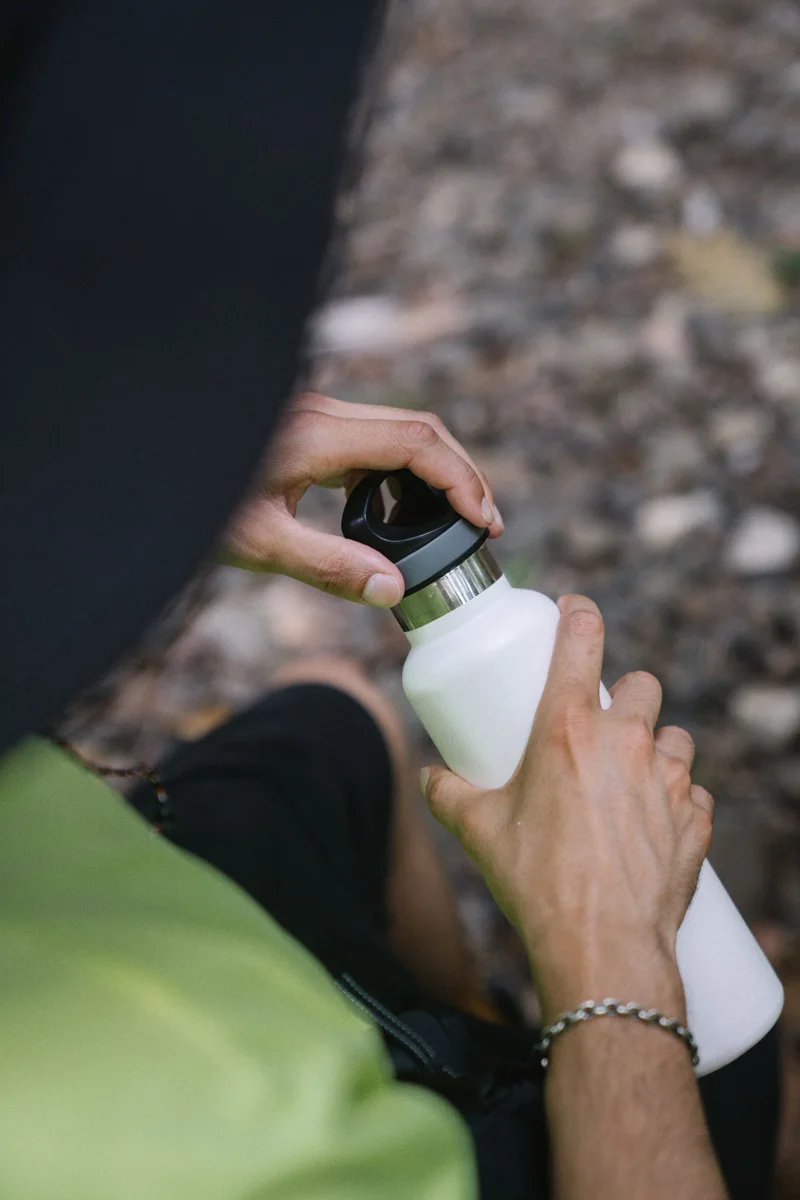
Hold the bottle as you expect to use it. Can dry fingers grip the closure comfortably? Where will a removable cap go? Does a carrying loop obstruct unscrewing? With a flip-top, examine whether the drinking opening is covered when closed and whether the mechanism could catch against other belongings.
One-handed operation matters only if it suits your routine. For a seated bench stop, an uncomplicated screw cap may be entirely sufficient. More moving parts create extra questions about disassembly, correct reassembly, and replacement pieces. They are not necessarily a disadvantage, but they should earn their place through a feature you will use.
Include cleaning in the buying decision
Find the care instructions for the exact bottle and cap. Directions for the main body do not automatically cover every accessory. Klean Kanteen's care page, for example, distinguishes several serviceable closures from a bamboo cap with its own restrictions. Material descriptions such as stainless steel therefore cannot provide a complete washing method on their own.
Check which seals the instructions allow you to remove and how that removal is intended to work. A complicated lid is not automatically unsuitable. It is simply a poor match if you want a quick, uncomplicated hand wash after each outing and regularly misplace small parts. Clear illustrated instructions may be more useful than another drinking mode.
Drying also requires space. The body and lid should be positioned as their care guidance specifies. A wide opening is easier to inspect, whereas a long narrow body may require a suitable brush as an additional purchase. Decide where that brush and any loose parts will live at home, rather than discovering the inconvenience after the first trip.
Two people do not necessarily need identical bottles
Two smaller bottles allow independent access and divide the carrying load between bags. One larger shared bottle reduces the number of closures but concentrates the weight with one person and makes every drink depend on access to that person's bag. Choose around how you actually carry things rather than assuming fewer objects must be better.
For different drinks, check the individual product's intended use. A bottle chosen for cold still water is not automatically approved for hot or carbonated drinks. Clarify these limits before buying; tightening a lid more firmly does not change the manufacturer's restrictions.
A useful final comparison is concrete. Does the full bottle fit its assigned position? Is drinking from it comfortable? Can its cap be cleaned completely as instructed? Are matching replacement parts available for the model? These everyday operations reveal more about its suitability for a day out than a long list of extra functions.
Sources & current information
Opening hours, connections and conditions can change. Consult official sources before travelling and follow local notices.