Let the meal determine the tools
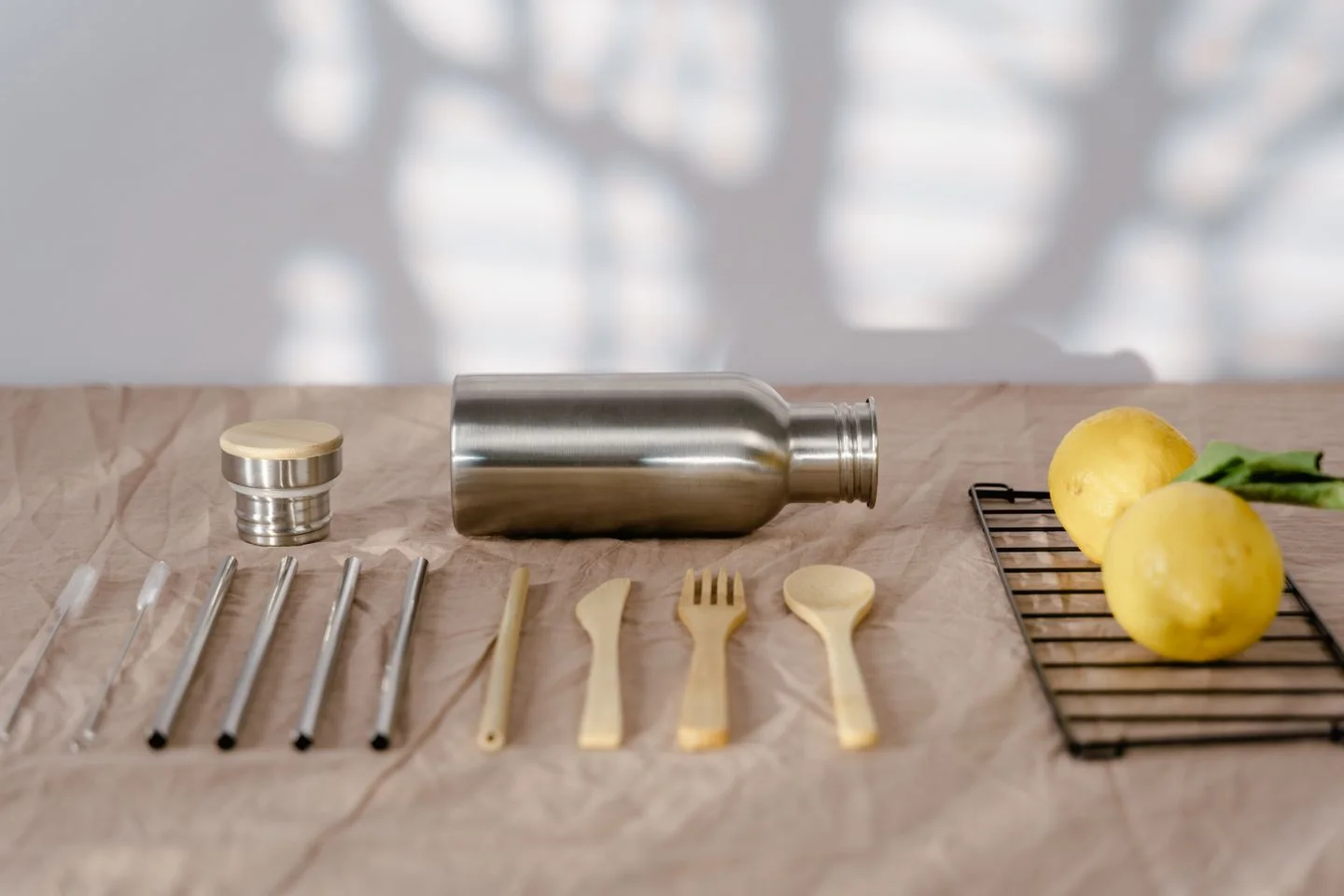
Sandwiches may require no cutlery at all. Pieces of fruit might need only a fork, while another prepared dish needs a spoon. Identify those tasks before buying a set with several unused components. Existing kitchen cutlery may also be suitable if its shape and transport arrangement fit the outing.
Two people should be able to eat independently if that is the intended break. One combined tool reduces the number of objects but does not automatically provide two spoons for simultaneous use. A small complete pair of appropriate utensils may make more sense than a large shared set.
Compare combined tools with separate pieces
Light My Fire describes its Spork Original as a spoon at one end and a fork with a cutting edge at the other. Such designs combine functions in one object. Whether that shape suits your food remains a separate question. It cannot, for example, simultaneously replace two separate tools you want to use together.
Check actual length and grip. Short cutlery fits a small box but may be inconvenient inside a deep container. With a double-ended design, the used surface becomes the opposite end when you turn it around. Consider how you will hold and set it down afterwards.
A connecting set packs compactly but adds an assembly step. A fixed shape has no such joint while occupying its full length in the bag. Choose around handling rather than the largest advertised number of functions.
Carry it clean and separate it after use
On the outward journey, keep cutlery protected and packaged appropriately for its intended food use. On the return, used utensils need an assigned position that does not soil clothing and other belongings. A suitable wipeable cover may help but needs care afterwards itself.
Follow the specific product instructions for cleaning at home. Dishwasher suitability for one plastic utensil does not automatically cover other materials or connecting components. Existing kitchen cutlery should follow its own care guidance.
Reusable initially describes an intended pattern of repeated use. Without further evidence, it does not establish a universal environmental comparison between every material and use pattern. The concrete buying question is whether the items fulfil their purpose, travel with you, and get used again.
Build the smallest useful arrangement
For an ordinary picnic, pack only the pieces each person needs. An additional straw or elaborate utensil roll should have an actual purpose rather than merely a spare position in the bag.
Check the rules of venues with particular admission restrictions. A product labelled travel cutlery does not provide universal permission to bring it inside. The simplest useful arrangement is one whose use, storage, and cleaning both people understand.
Sources & current information
Opening hours, connections and conditions can change. Consult official sources before travelling and follow local notices.