Identify what the weather actually changes
Light rain, persistent rain and an official weather warning are different planning situations. Check current forecasts and any warnings for the actual location. Germany's weather service describes WarnWetter as information about weather hazards. An attractive app graphic does not replace reading a specific warning or local access notice. Use the information relevant to the area rather than conditions at home.
Then ask a practical question: which part becomes uncomfortable or unsuitable? Perhaps one exposed waterfront section is affected; perhaps most of the outdoor programme is. Name the actual difficulty. If only one part changes, the entire outing does not automatically need a new identity. Distinguish an adjustment from abandoning every original interest.
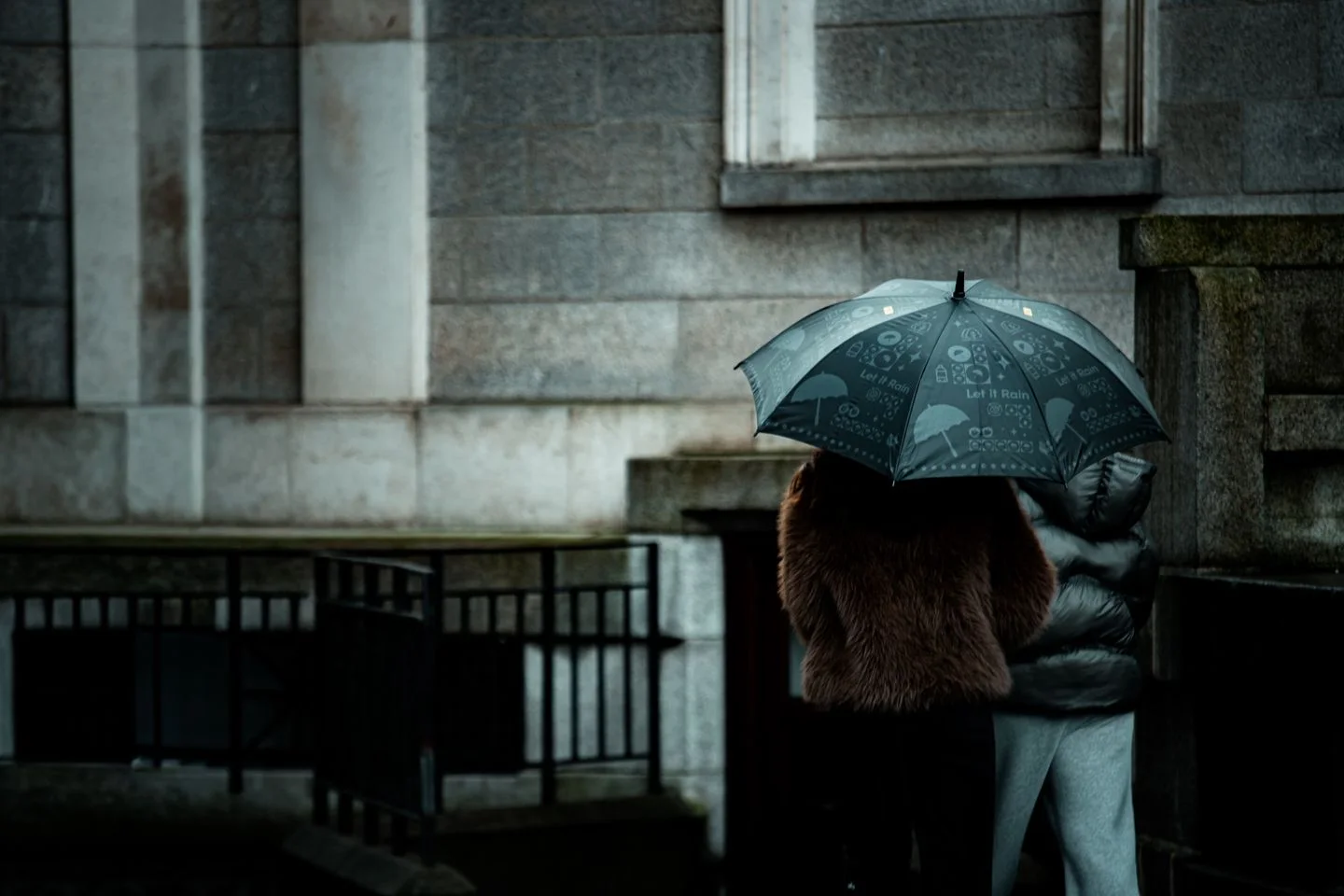
Discuss different responses to rain too. One person may still enjoy walking with suitable clothing while the other quickly stops enjoying the stay. This is not a judgment about who travels better. The shared version needs an accepted boundary and a real alternative, rather than silently pulling an unhappy person along. Decide what would prompt a change before discomfort becomes an argument.
Choose the alternative around the original interest
If city history prompted the trip, a relevant museum may retain the connection. If shared food and slow observation matter more, a longer indoor stay with a short street section may suit better. Not every museum is automatically a good response to rain. Its subject must actually interest you, rather than merely providing a roof.
Compare the alternative with the displaced section, not an ideal version of the whole destination. A harbour view cannot be reproduced exactly by a painting gallery. Accept that the day changes and choose something independently worthwhile. The replacement need not pretend to be the identical experience indoors. Recognising the difference can make expectations more realistic.
Check the alternative's operator for current opening, admission and any time slots. Rain does not make spontaneous space more likely. An indoor option becomes dependable only when its date and journeys fit. Keep at least one possibility without complicated extra travel where you can find a suitable one. Verify before relying on it as the sole solution.
Consider three different kinds of change
For a passing shower, begin with an indoor pause you already wanted and reconsider the outdoor section afterwards. This changes the order. Another exhibition is unnecessary when eating was already planned. Review current conditions afterwards rather than allowing a morning forecast to govern the day unchanged. Keep the response proportionate to what is actually affected.
For persistent rain, reduce the geographical selection. Instead of connecting distant districts, combine one interior with streets nearby. The time gained need not immediately be filled again. Dry clothing, a quiet table and a clear journey back can make the day more comfortable than another admission. Less movement may preserve more useful shared time.
With warnings, closures or uncertain access, follow the responsible current information. A saved itinerary does not permit using a closed waterfront route or attraction. The alternative may be postponing the outing. Planning a route already, or finding it photogenic, gives no reason to complete it despite the applicable restrictions. Do not treat a booking as instructions overriding current access conditions.
Account for the connections between indoor stops
Two dry buildings do not automatically create a dry day. Between them lie walking, stops, possible waiting and handling wet clothing. Check an exhibition's cloakroom rules for umbrellas and bags. A small interior can become awkward with substantial wet belongings. Consider the movement around the visits rather than comparing entrances alone.
A meal reservation should not require rushing along a lengthy outdoor route after a museum. Examine the actual chain from one exit to the next entrance. If the connection becomes unpleasantly long, choose somewhere closer that genuinely interests you or finish earlier. The next activity should serve the changed day rather than restore a lost count of stops.
A shared decision point helps two travellers. After the first interior, ask whether a short outdoor section still appeals. This works better than continuous negotiation beneath an umbrella. A clear point for reconsideration provides some calm even while the weather remains uncertain. Agree what can be omitted without sacrificing the principal interest.
Prepare flexibility rather than another complete checklist
A rain plan need not contain as many stops as the original. It needs a reachable focus, a pause and a return journey fitting current conditions. Retain the necessary operator information rather than preparing an entire second city list. The smaller plan should be easy to understand when conditions are uncomfortable.
If the weather improves, do not rush to recover every omitted outdoor place. Choose the one section that still particularly appeals. The day may retain its altered shape. An alternative works when both people can continue making useful decisions, rather than when it compensates for the greatest possible number of lost programme items. A calmer ending can be preferable to treating better weather as permission to overload the remaining time.
Sources & current information
Opening hours, connections and conditions can change. Consult official sources before travelling and follow local notices.