Read the room through everyday routines
A hotel room needs to do more than look appealing. Two people use it with bags, different morning routines and perhaps different bedtimes. Begin with three ordinary situations: arriving together, getting ready in the morning and one person remaining awake later. What requirements follow? These are more concrete than looking generally for a nice double room.
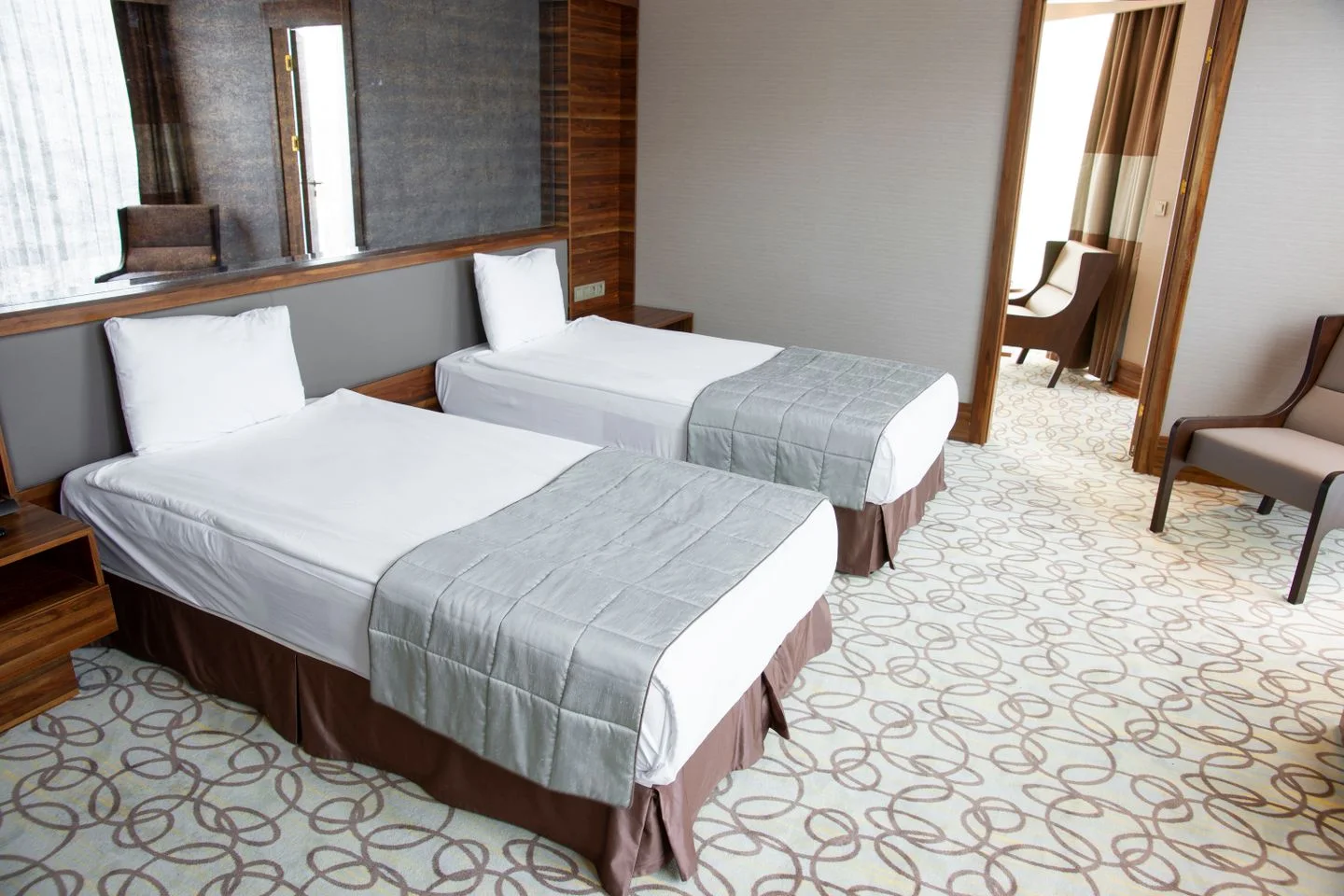
A photograph shows one possible view rather than necessarily every version of the booked category. Read the actual room description. If a layout feature is decisive, ask about the bookable offering and distinguish a described feature from a request that may remain unconfirmed. Do not allow an important requirement to become a vague preference simply because the image appears reassuring.
Premier Inn's room FAQ, for example, lists furnishings and directs certain questions towards the particular property. Such a list can prompt useful enquiries. It is not a floor plan and does not establish identical arrangements at another operator's hotel. Apply the information to the offer actually under consideration rather than treating a chain description as a universal room standard.
A bed label does not answer every sleeping question
Double room initially describes accommodation for two, not every bed detail. Check the provider's terminology and ask if separate beds, a shared bed or access from both sides matters. Do not infer the arrangement solely from standard or a decorative image. Familiar category words can conceal the feature that matters most to you.
Consider movement beside the bed too. If one person must continually cross over the other, that may affect the stay differently from bed size alone. A general minimum measurement from an unrelated hotel guide is unnecessary. What matters is whether the actual room supports your movements. With specific requirements, ask for the relevant dimensions and access rather than relying on an overall sense of spaciousness.
Different bedtimes create another question: is there individual reading light without illuminating the entire room? An attractive bedside lamp does not reveal controls or light distribution. Ask about the function important to you instead of assessing furniture solely by appearance. A small practical detail may matter more than the most prominent decorative feature.
Consider the bathroom as a shared routine
An open washbasin, fully separate bathroom and another layout may look similarly spacious in photographs while functioning differently. Consider whether one person can get ready while the other uses the bathroom. If privacy matters, examine the stated separation, doors and sightlines. Do not assume every room photograph shows what is outside its frame.
A larger room is not automatically more suitable here. A clearly enclosed smaller area may fit your routines better than a more open design. This is not a general ranking of hotel concepts but a question of shared use. Describe the wanted feature neutrally rather than judging another layout as inherently wrong.
With particular access or movement requirements, obtain the actual bathroom details. A broad accessibility symbol does not settle every situation. Ask the property about the offered equipment and route to the room. Do not transfer a public-area description automatically to the bathroom of the selected category. The answer needs to concern the space you will use.
Two bags change the usable space
An empty photograph may show considerable floor area. Two open bags can alter the same route. Look for luggage surfaces or storage and consider whether both people can reach their belongings. A desk used permanently for a suitcase no longer serves the same function for somebody needing to work. Assess simultaneous uses rather than each feature in isolation.
For one night, closed bags with a few items removed may suffice. Across several nights, organised storage may matter more. Length therefore changes priorities without automatically requiring the largest category. Check furnishings you will actually use rather than paying attention only to overall floor area. A practical arrangement can matter more than additional unused space.
Consider sockets, mirrors and seating by function too. If both people charge devices and get ready simultaneously, position and usability matter more than the phrase modern facilities. Ask only questions that change the stay. An endless list of irrelevant details does not automatically improve the decision, and it can hide the handful of requirements that genuinely need an answer.
Separate preferences from requirements
Mark what is essential and what would merely be pleasant. Two genuinely needed separate beds pose a different question from a preferred view. This distinction helps communication with the property and comparison between offers. A vague booking-field comment should not replace clarification of a necessary feature. Keep the relevant response alongside the chosen category.
Finally, decide through the complete use: sleeping, arriving, bathroom and the room's few daily routes. The most appealing photograph need not show the most suitable layout. A room serves two people when both can manage ordinary routines without continually getting out of each other's way. A precise description and a specifically answered enquiry are more useful for that purpose than the greatest number of decorative images. Let the requirement guide the choice rather than the image alone.
Sources & current information
Opening hours, connections and conditions can change. Consult official sources before travelling and follow local notices.