A quiet visit cannot be promised
For a famous attraction, the hope of an almost empty visit often becomes part of the plan. Do not depend on it. Early admission may suit your arrangements, but says little about how many other visitors have chosen the same approach. A booked time slot primarily organises admission; it does not promise quiet conditions in every room.
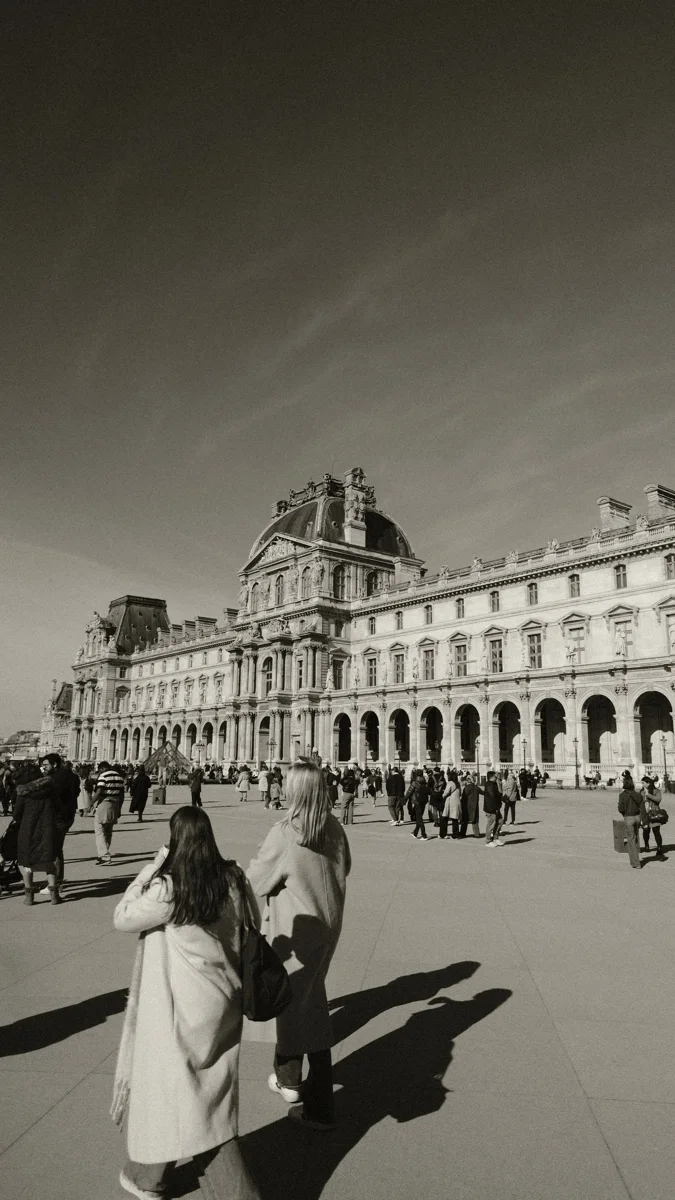
The Louvre, for example, recommends time-slot reservations even for visitors entitled to free admission. That is useful preparation information, rather than a reason to expect deserted galleries. Check the particular venue's admission conditions and treat them separately from the question of how you want to handle a busy visit once you are inside.
Avoid a second deadline before the main appointment
Place a manageable activity nearby before the booked visit. A lengthy attraction on the other side of the city can turn one admission time into a chain of deadlines. A small walk with a clear endpoint or a pause after arriving may work better, provided you know the correct entrance and how to reach it.
Decide when the preceding activity will end. This helps when one person wants another photograph or an additional shopping stop. You do not then have to debate that choice at the entrance while worried about being late. The shared decision has already been made at a point when both of you still had room to adjust.
Reduce the selection inside
Before entering a large museum or palace, discuss which parts justify the visit for you. It might be a collection, a particular type of room or an architectural relationship. If the building is busy, use that selection first rather than responding to disappointment by covering even more areas. A shorter visit with attention may come closer to your original interest than an exhausting attempt to see everything.
Different speeds require a precise meeting point. Choose a publicly accessible place that both of you can identify on the plan, and agree what to do if you miss each other. Meet away from narrow passages. You can then explore at separate speeds without leading one another through every display or blocking the route for other visitors.
Nor will every apparent alternative room be peaceful. If you want a break, check what the venue actually offers. A café, a cloakroom and an exit serve different purposes; a symbol on a floor plan does not guarantee an available seat.
Let the rest of the day become smaller
After the busy main visit, choose something that requires no further achievement: a particular riverside section, a square with several possible places to sit, or a return route through a neighbourhood you already wanted to see. Check its distance and suitability for the weather. Much of the calm comes from not having to reach another appointment immediately afterwards.
If one person still has energy while the other has absorbed enough, a short shared finish can work better than another major attraction. You can discuss what you saw over a meal without having experienced every detail together first. The crowded venue remains part of the trip, rather than overloading the whole day you wanted to share.
Sources & current information
Opening hours, connections and conditions can change. Consult official sources before travelling and follow local notices.