Start with three photographs you want to make
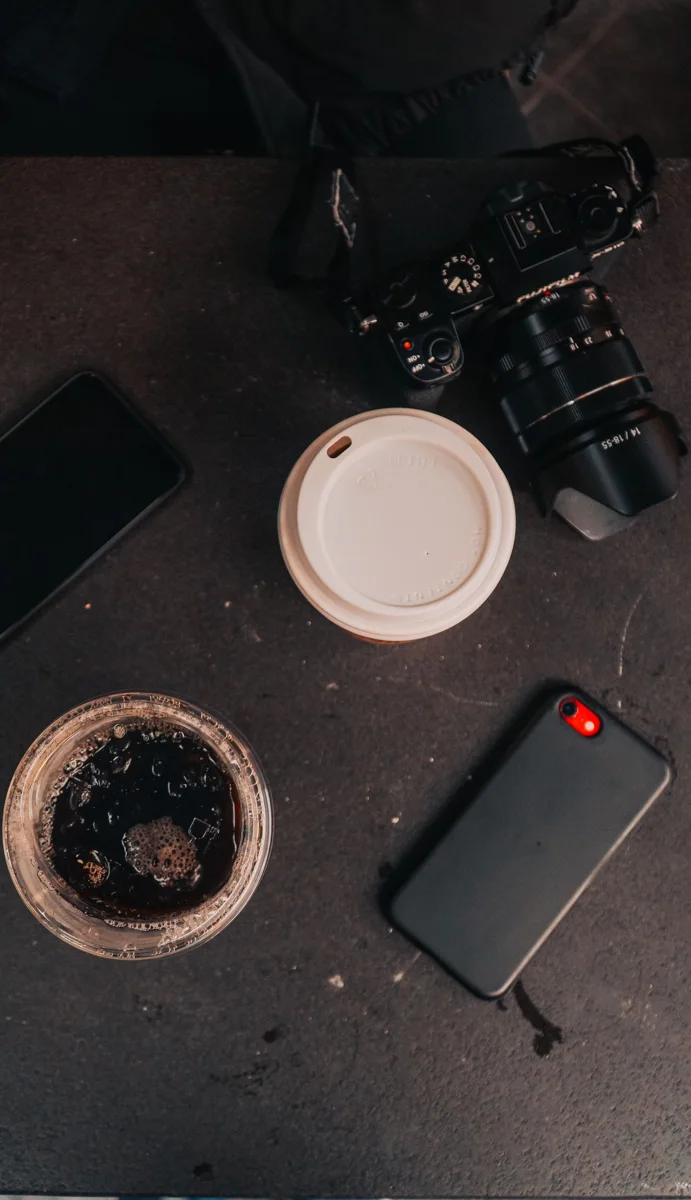
Before buying a compact camera for outings, describe three pictures your existing phone is not giving you. These might involve a distant architectural detail, a particular way of framing, or the experience of using a separate viewfinder. Be more specific than wanting better photographs. Different devices render the same subject differently under different conditions.
If shared memories and quickly shareable views are your main priorities, examine the phone's existing functions first. Perhaps the real need is more deliberate framing or additional free storage rather than a missing camera. Another purchase should have an identifiable job.
Compare the actual models under consideration. Smartphones and compact cameras encompass many different constructions. Their category names alone cannot establish a universal image-quality ranking or a particular capability in low light.
Translate lens specifications into an intended picture
Canon describes different built-in zoom lenses and designs within its compact-camera group. For your decision, the actual range of views matters more than the mere presence of zoom. Decide whether you frequently want broad interiors or distant details, then examine the particular model's specifications.
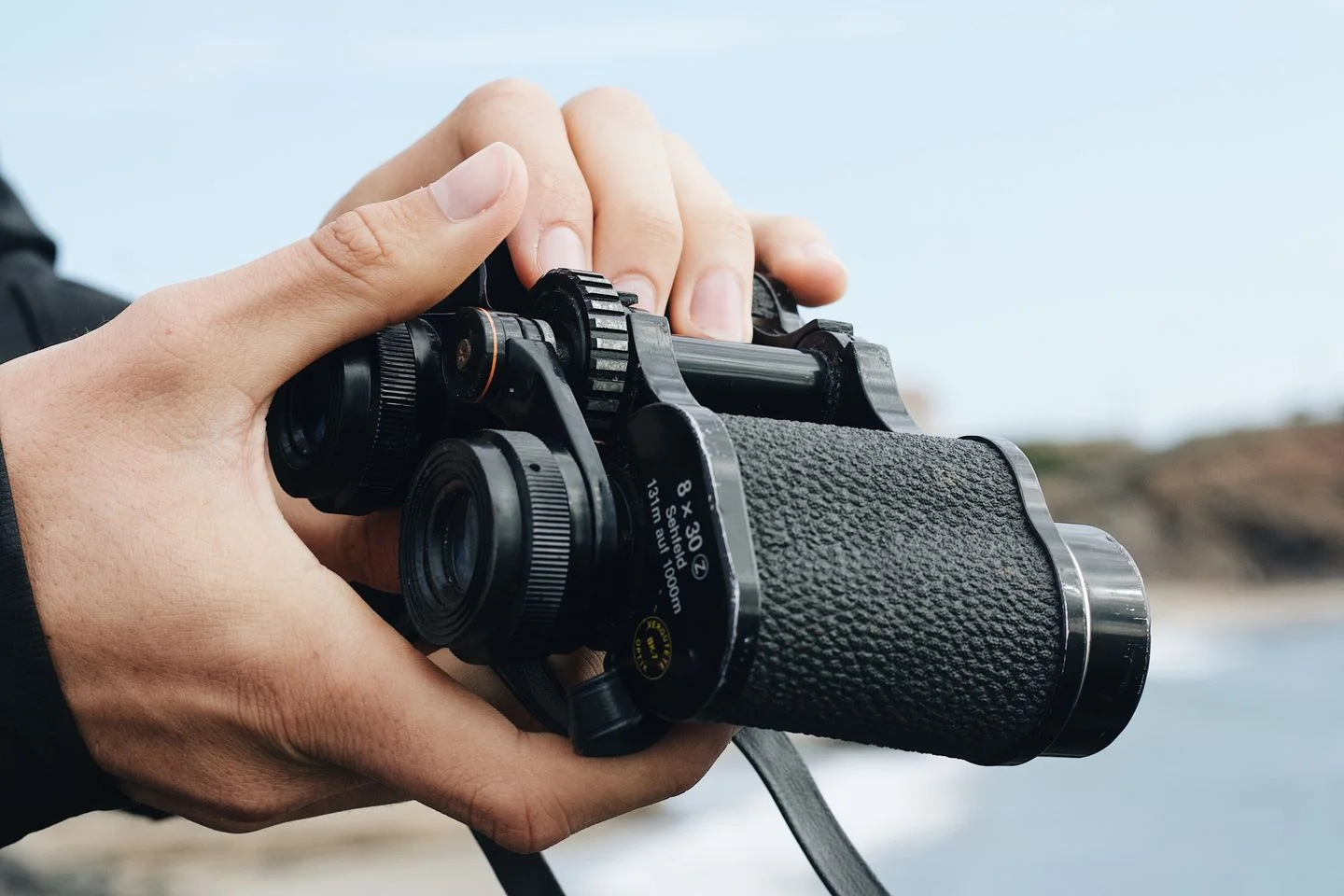
Distinguish optical capabilities from digitally cropped views. How magnification works on your own phone also depends on the device and selected setting. A high advertised zoom number cannot establish the appearance of the photograph you want. Consult appropriate original examples and manufacturer explanations instead of treating preview images as proof of universal performance.
A distant subject is not a reason to enter a restricted area. If the picture cannot be made from a permitted position, that remains a limitation of the photograph. Camera equipment should complement the shared outing without changing local visitor rules.
How readily can you reach the device?
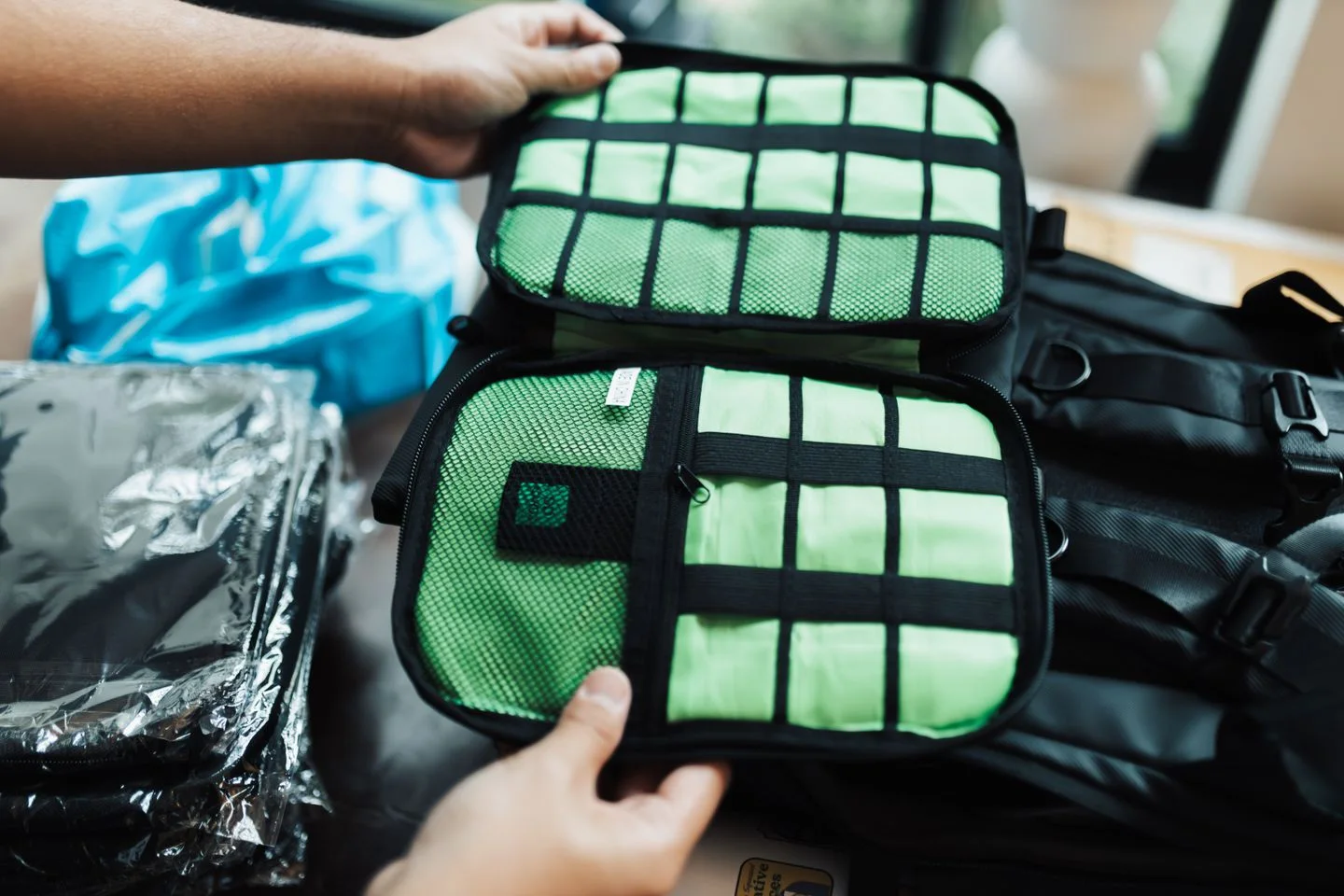
A phone is often already in an accessible pocket because it holds navigation or tickets. A separate camera needs its own carrying position. Check whether it fits inside the day bag with a suitable case and can be removed without unpacking lunch. A manufacturer's pocket-sized description does not automatically refer to your actual jacket or trouser pocket.
Handle a candidate camera if possible. Can you find the shutter and settings you expect to use frequently? Does it have a viewfinder, and do you want one? Detailed controls can be enjoyable when photography is part of the outing. For occasional snapshots, the same choices may slow the routine unnecessarily.
Discuss whether both people will use it. Shared operation needs understandable basic settings and a known storage position. If the second person must ask for help with every photograph, the camera serves a different role from an uncomplicated shared memory-making device.
Energy and files create a second task
A dedicated camera can separate photography from phone use, but it brings a battery, storage, and possibly its own charging cable. Check the specific accessories and intended charging method. Not every device accepts the same connection you already carry for the phone.
Establish how both people will receive the images afterwards. Wireless transfer helps only if it works with your devices and intended routine. Other arrangements may require a card reader or computer. The task need not be performed during the outing, but it should have an understandable answer before purchase.
Include the editing process. Someone who sorts and shares images directly on a phone has a different routine from someone who wants to select and edit files at home. Extra controls are useful only when you enjoy that part of photography too.
The answer can change between outings
A deliberately photographic afternoon may give a separate camera a clear place in your bag. For a short spontaneous city walk, the phone may be more appropriate. These tasks do not need one permanent rule.
If uncertain, take an existing camera on a manageable suitable walk. Afterwards, consider whether you used its distinctive capabilities and whether the extra carrying fitted the day. That gives you a concrete basis for selection without claiming image quality from a device category alone.
Sources & current information
Opening hours, connections and conditions can change. Consult official sources before travelling and follow local notices.