Write down one connection at a time
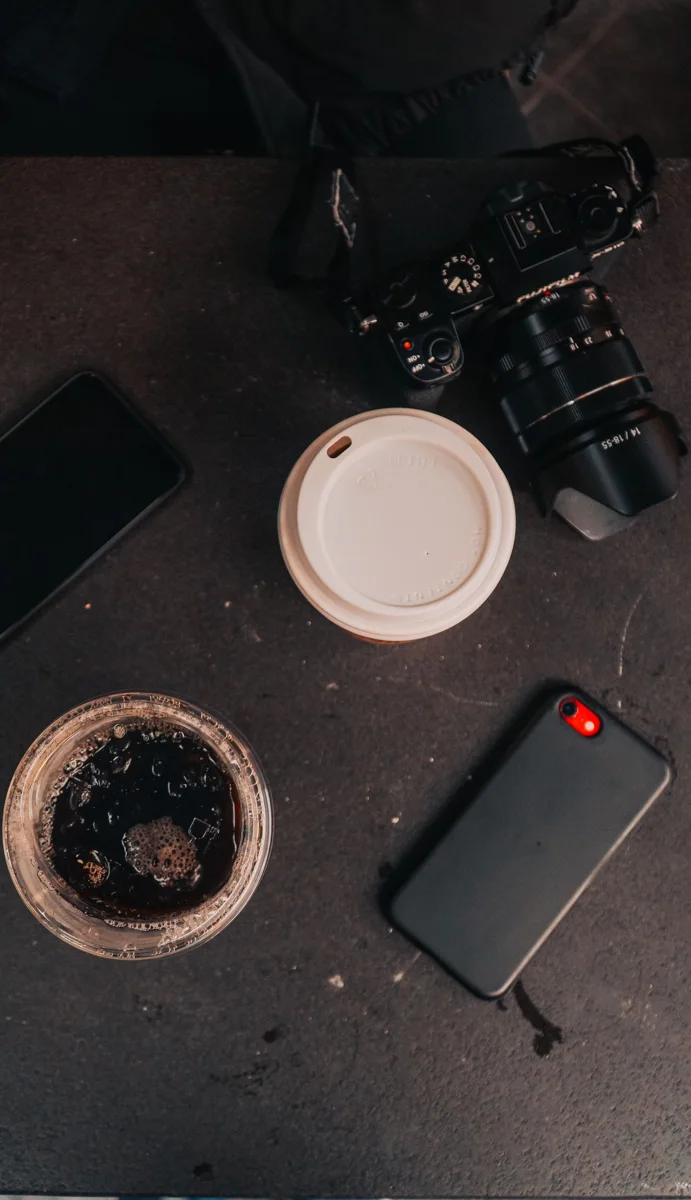
Put both phones, any camera or headphones, the charger, and your intended power bank on a table. Write down what will charge each device. This reveals whether you genuinely need different cables or whether one existing connection can perform several jobs at different times.
Check both ends of every cable. A plug fitting the phone is insufficient if the other end cannot connect to the chosen charger. Mixed older and newer accessories often create unnecessary duplication here. An adapter may enable a particular connection, but include it only after checking its intended function and compatibility.
Decide whether both devices must charge simultaneously. One shared cable might work at home yet become inconvenient on the evening before an early departure. Conversely, a second identical cable may serve no purpose if one device will not need charging during the outing.
Matching shapes do not establish matching capabilities
The USB-IF explains on its cable page that cables have different capabilities and should be selected for their intended application. Do not assess one solely by connector shape or thickness. A required charging function depends on the particular cable's specification together with the device and power source.
Charging and transferring data are separate tasks too. If you intend to transfer photographs from a camera, check that connection separately. Supplying energy to a device does not itself demonstrate the transfer speed you want. There is no need to bring an elaborate data setup on a day trip if the photographs will only be transferred at home.
If the markings or packaging are unclear, consult the manufacturer's model information. A simple label of your own can then distinguish two similar-looking cables. It should record known properties rather than assumed power ratings.
Choose length around the intended use
A short cable is tidy when the power bank sits beside the phone. At a socket near a hotel bed, the same length may not reach. Consider which situation the cable needs to cover. A long cable for every task creates additional loops in day luggage.
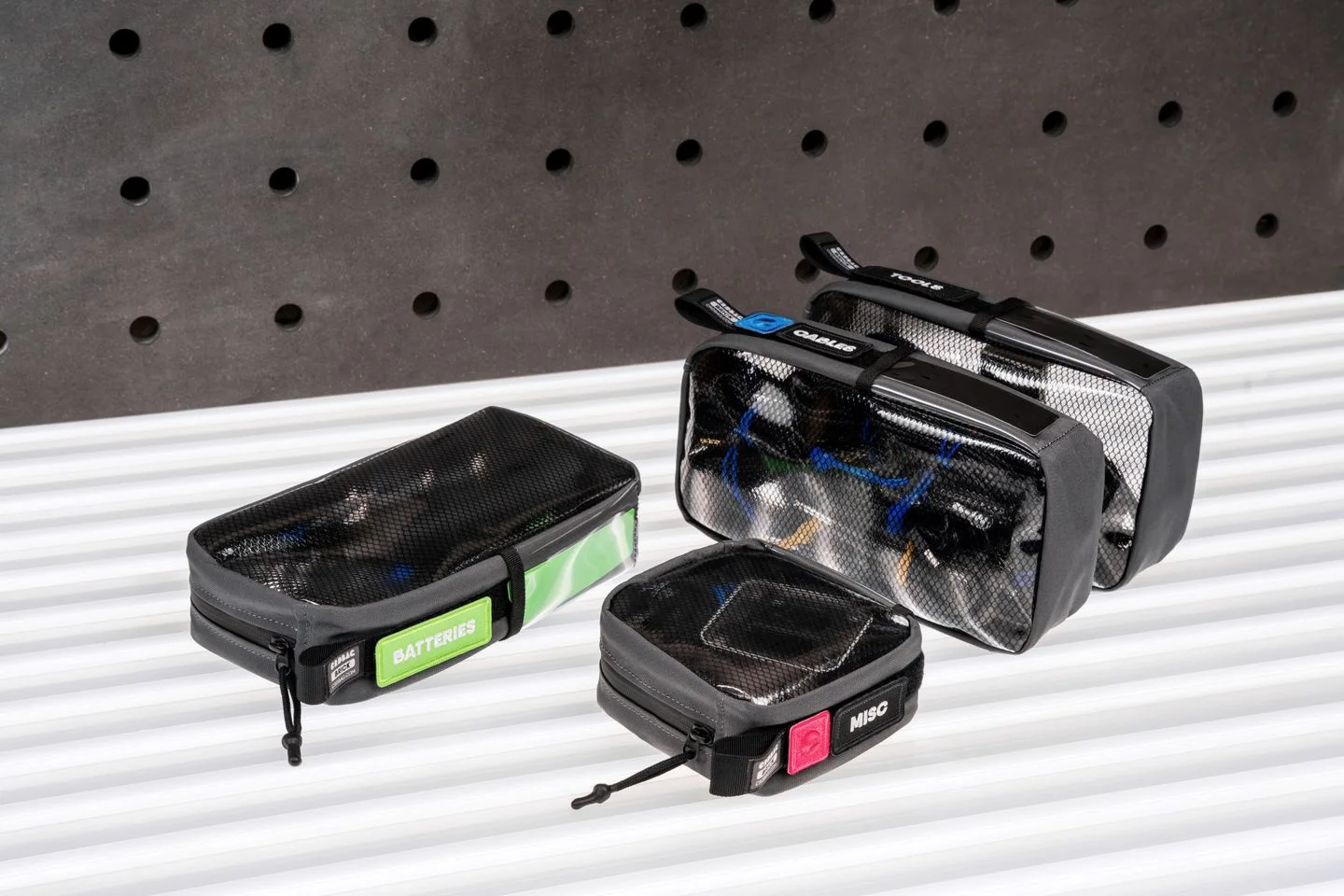
Coil cables loosely in accordance with their guidance and avoid a tight bend directly beside a plug. A small organiser can help, but its empty compartments do not all need filling. What matters is being able to remove one connection without spreading every other cable out.
Keep dirty or damp equipment away from the connectors. Check for visible damage before leaving and stop using problematic cables. When choosing a replacement, focus on the actual required connection rather than the longest possible feature list.
Both people should understand the arrangement
Keep shared accessories in a known position. Different small ties or clearly marked pockets may be sufficient. If only one person understands the system, access to the shared kit still depends on that person whenever charging is needed.
Finally, try every intended connection according to the device instructions. You can then limit the kit to the working parts you need. A small understandable arrangement is easier to use during an outing than a collection whose purpose has to be guessed along the way.
Sources & current information
Opening hours, connections and conditions can change. Consult official sources before travelling and follow local notices.