Search for both bicycles from the beginning
A train with tickets available for two passengers does not necessarily have room for two bicycles. Start the search with both travellers and both bikes included. One remaining cycle space is of little use when you want to travel together. A cheaper passenger fare stops being attractive if you discover only after buying it that the second bicycle cannot join the journey.
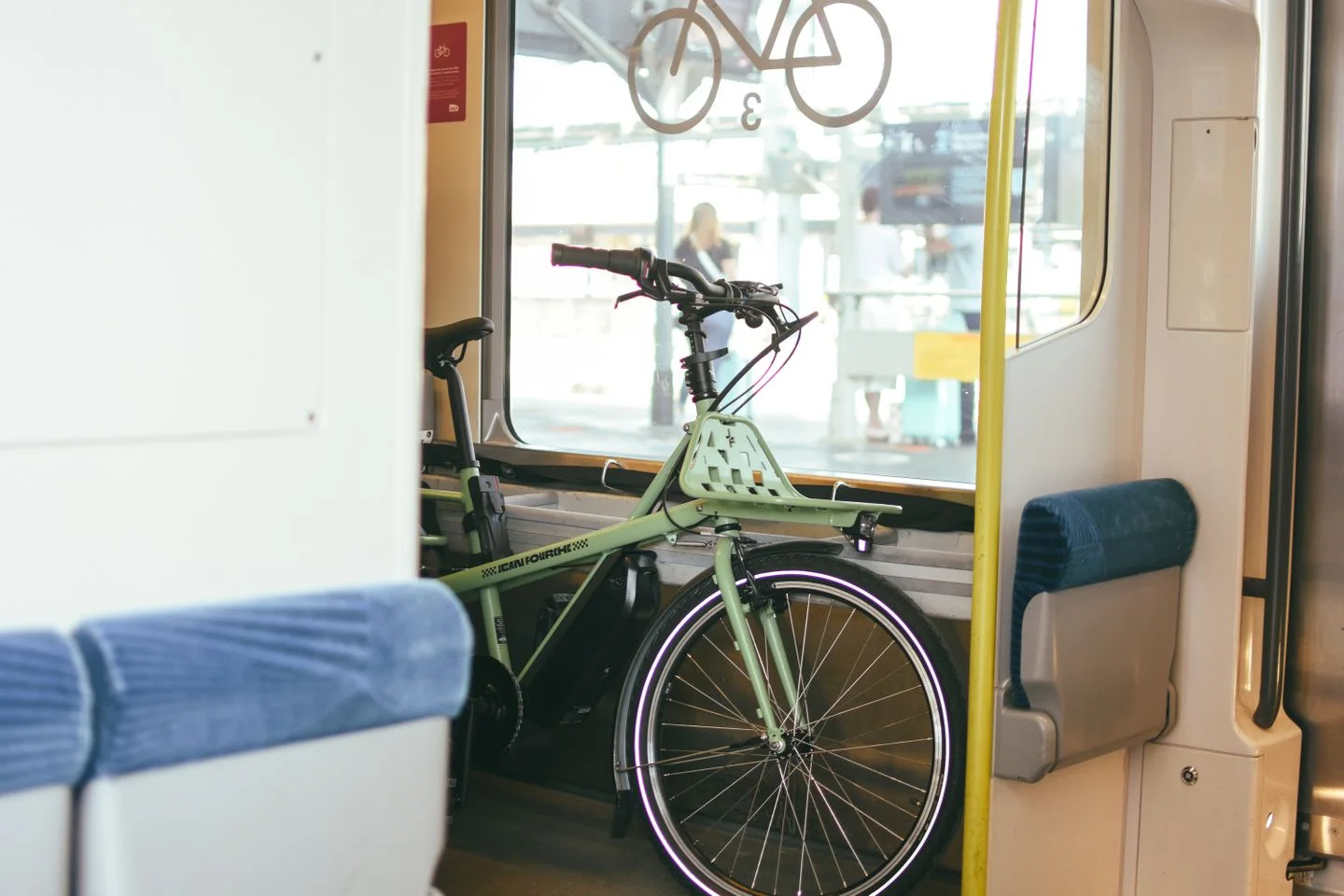
For DB long-distance services, check the cycle ticket and cycle-space reservation separately from your own seat reservation. A passenger seat does not reserve room for a bicycle. Requirements also depend on the train and route. Even an Intercity accepting a regional passenger ticket on a particular section may still require a cycle reservation. Read the conditions for the actual service in your itinerary rather than inferring them from the fare you hold.
Make a booking chain for the whole route
Imagine a regional feeder train, an Intercity, and a final regional connection. For each leg, note the train number, boarding and arrival stations, and the arrangement for both bicycles. The feeder and final train may have different rules from the reserved long-distance section. Crossing a border may introduce another operator. Successfully reserving the longest leg does not settle the rest of the journey.
After purchase, check that the confirmations cover two bicycles and the intended sections. Save passenger tickets, cycle documents, and reservations in one trip folder, giving them distinct names. At the platform, this makes it easier to find the cycle carriage without opening a passenger-seat confirmation by mistake. If the search offers only one cycle space, compare another departure or route before constructing a complicated plan in which you travel separately.
A connection includes moving the equipment
A connection that looks comfortable on a screen can be awkward with loaded bicycles. Consider the transfer as an actual route between the arriving carriage and the next departure position, possibly involving a lift and another platform. Both bikes and all the bags must complete it. Extra transfer time buys room to move equipment rather than merely extending the journey.
Divide tasks without leaving one person responsible for handling two bicycles. One can check carriage positions and the onward departure while the other keeps the relevant documents ready. Pack items needed on the train separately from large panniers. Before boarding, establish which bags must be removed for the particular rack. Keep doors and passageways clear and follow staff instructions about positioning the bicycles.
Compare the transfer with a direct train leaving at a less convenient hour. A later departure that avoids lifting, unloading, and reloading everything can be the more relaxed choice for a short trip. This matters especially on the return, when you may also need to collect luggage or reach a station from outside the city centre.
Check the bicycle, not just the word bike
A compact folding bicycle and a large touring bike are different booking cases. DB treats suitably folded bicycles as luggage under its stated conditions, while ordinary bicycles require the relevant cycle provision. Unusual dimensions, wide tyres, or specialist designs need checking before passenger tickets are bought. A reserved cycle space does not mean every bicycle design will fit every holder.
For a brief city stay, compare taking your own bicycles with hiring at the destination. Your own equipment makes sense for a substantial onward ride or when familiar fittings matter. A local rental may simplify the journey if you only intend to cycle for a few hours. Compare transfers, storage at the accommodation, and the return-day workload as well as the hire charge and cycle fare.
A changed train needs a renewed cycle plan
If the train changes, check the bicycles again. Do not assume an existing reservation transfers to a replacement bus or another departure. Review the itinerary before setting out and ask specifically how both bicycles can continue if disruption occurs.
A later direct service can be a better fallback than the earliest available passenger connection. The useful alternative is one that brings the travellers, bicycles, and confirmed spaces back together. Keep the original documents and make sure any necessary rebooking explicitly includes both bikes.
Sources & current information
Opening hours, connections and conditions can change. Consult official sources before travelling and follow local notices.