One bank per day is a working rule
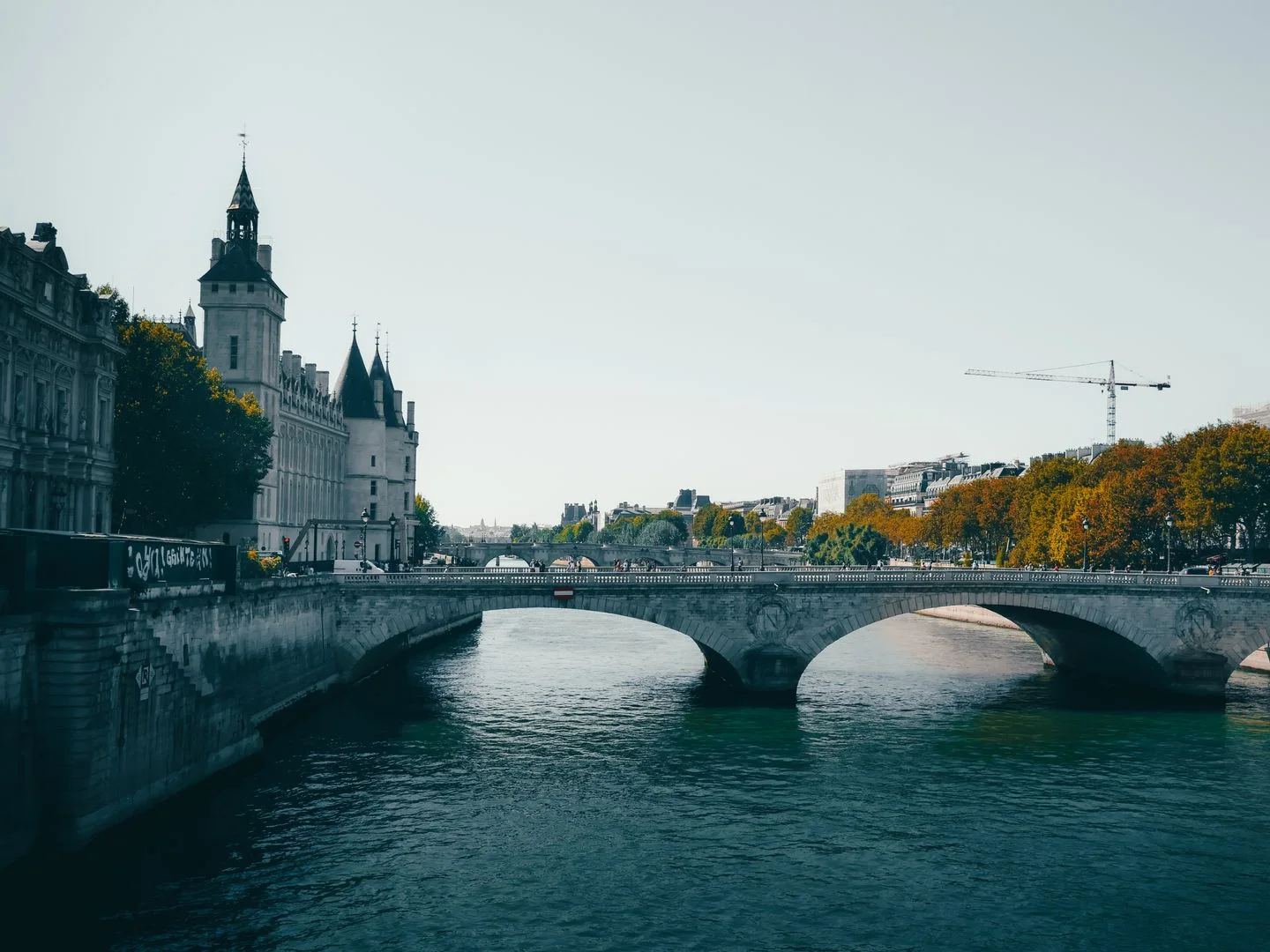
The Seine offers a way to organise Paris. For a short weekend, plan one day mainly on the left bank and another mainly on the right. This is not a boundary you must never cross. It counters an itinerary that places a morning museum on one side, lunch in a neighbourhood across town, and another distant evening destination elsewhere.
Paris je t'aime describes Parc Rives de Seine areas on both banks as spaces for walking and cycling. Use them to connect places where you spend time, not as an instruction to complete the whole waterfront. A walk with genuine pauses differs from an ever-lengthening line on a map.
Before booking, name two interests you both want to share. They might be a major museum and a neighbourhood day. If the desired admission is available only on the supposedly wrong-bank day, change the rule. Its purpose is reducing transfer effort rather than obeying an invented geographical restriction.
The left-bank day need not collect every famous view
For a specific left-bank section, start on Rue du Bac around Sèvres-Babylone and work towards the Seine. The street crosses Boulevard Saint-Germain and reaches Quai Voltaire. Decide whether shops and a pause define this section or whether you will continue along the river towards Musée d'Orsay. An actual museum booking deserves its own block of time; browsing the approach streets is not a substitute for it.
This keeps the whole Rive Gauche from collapsing into one supposedly compact area. Rue du Bac to Quai Voltaire is a bounded walk with an identifiable beginning and end. Continuing to the Eiffel Tower or Jardin du Luxembourg introduces another section. Examine that separately and drop another idea where necessary rather than treating all left-bank destinations as neighbours.
For waterside walking, distinguish the upper street, lower embankment, and their access points. Not every bridge approach leads down everywhere. Current closures and signs take precedence over a saved route. Where stairs matter, examine that part more carefully.
A pause should be in the plan before the point where both people are exhausted. Choose a general stopping area near the day's priority rather than a celebrated café requiring another substantial transfer. This keeps the benefit of the geographical structure.
Let the right-bank day have another character
On the right bank, let the Marais provide the contrasting day. Begin around Rue des Archives and follow Rue des Francs-Bourgeois towards Place des Vosges. This creates a continuous street section without returning to the river after every shop. Decide beforehand whether Musée Carnavalet will be a substantial visit or whether you mainly want to stay outside.
Place des Vosges makes a sensible endpoint for that Marais section. An island view afterwards requires another connection to the Seine; Île Saint-Louis is not simply at the end of every Marais street. If the museum has occupied a long period, finishing at the square may be enough. If you want to end beside the water, move the pause there and treat the island as a walk rather than several additional interior visits.
For different interests, share the opening section. One person might then remain longer in a collection while the other pauses nearby. Agree an unmistakable meeting point. A general museum or station exit can refer to several different places.
Arrive at the actual Paris terminus
Check the station or airport used by your connection. Arrival does not end with Paris on the ticket. Another train, Metro leg, and walk to accommodation may follow. Plan the first evening accordingly rather than committing to a distant visit before settling in.
For two people carrying bags, an understandable connection can matter more than an apparently central pin. Compare the journey from your intended evening neighbourhood too. A room near one landmark may be awkward for the other chosen areas.
Departure day's final walk should be capable of shortening towards luggage and the main connection. Another embankment section is an option rather than a requirement. If the split produces fewer crossing transfers and more time at places you actually chose, it has done its job.
Sources & current information
Opening hours, connections and conditions can change. Consult official sources before travelling and follow local notices.