Begin around the Opera and library
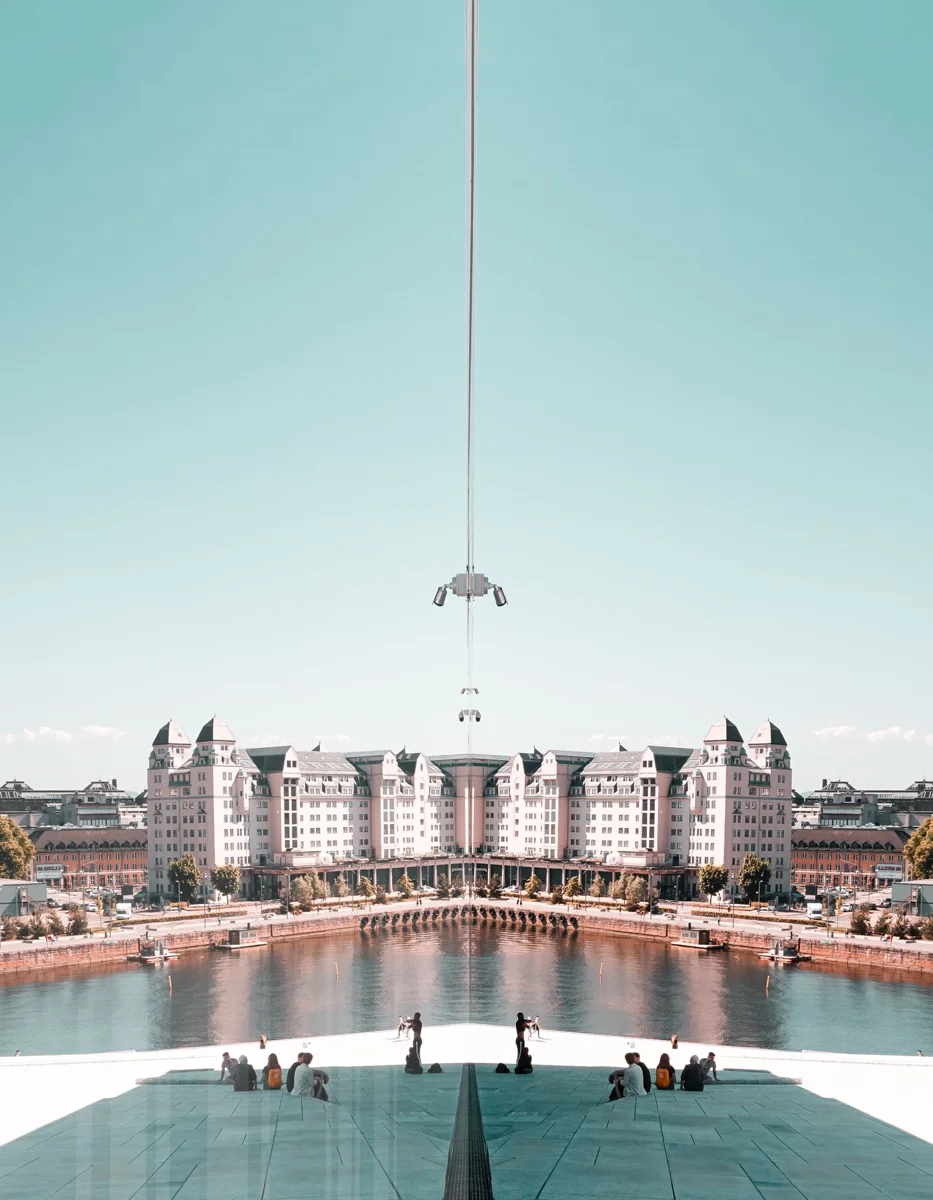
Bjørvika gives the visit a clear first harbour section. VisitOSLO identifies the Opera, Deichman Library, and Barcode buildings as different examples of newer architecture. Explore a connected area without completing the entire harbour promenade on the first morning.
For the Opera, distinguish exterior, available roof route, and a real interior or performance visit. They do not require identical time. Follow current local instructions and conditions on outdoor routes, particularly in poor weather. A white roof in a summer photograph does not describe every visiting situation.
An interest in library space can make Deichman a separate short priority. Actual opening and use rules still apply. A public cultural venue is not a space established exclusively for route photography.
Continue from Langkaia towards the historical harbour
The official promenade description leads from Bjørvika through Langkaia towards Akershus. This can form a defined second section. For a stop at an event or food venue, check actual operation instead of building the whole day around images of summer terraces.
Akershus changes the townscape. Decide whether the fortress surroundings are sufficient or a specific interior matters. A museum here can replace another section rather than being squeezed between two long waterfront walks.
A meal can sit at this transition. The useful question is whether location and duration fit, not which isolated place appears best in a list. An agreed pause also accommodates different viewing speeds.
Treat Aker Brygge and Tjuvholmen as another section
West of the City Hall area, VisitOSLO identifies Nobel Peace Center, National Museum, Aker Brygge, and Tjuvholmen. These can form half a day, especially when a museum motivates travel. They are not merely the final brief extension of the eastern walk.
For art, Astrup Fearnley Museet can anchor Tjuvholmen. If another substantial collection is already chosen, appreciate public outdoor space instead. Passing a famous venue does not automatically create another admission requirement.
Choose between one longer directional walk and two shorter sections on separate days. The latter permits different light and weather. Neither requires completing every signposted metre of promenade.
With a substantial interior, set a nearby endpoint rather than assuming energy remains for the farthest waterfront extension. The programme should describe your chosen visit, not the theoretical maximum walk.
Include the return in the walk
Ruter provides current maps and journey planning for tram, bus, rail, and boat. Search from the actual endpoint rather than a district name alone. Examine walking at both ends; a visible stop is not automatically the correct platform for your direction.
A tram can take over the long return and allow an open line rather than a doubled walk. Save the destination address and suitable connection. Retain a usable alternative if disruption changes it.
For one night, Bjørvika and one western museum or shore section provide a deliberate selection. The harbour remains an orientation line without making all its parts compulsory.
Sources & current information
Opening hours, connections and conditions can change. Consult official sources before travelling and follow local notices.