Do not cross the bridge immediately
Rail arrivals first encounter Wyck. Maastricht's tourism office places the district between the station and Sint Servaasbrug. Instead of carrying luggage directly to an old-town attraction, use this side as an arrival neighbourhood: reach the accommodation, orient yourselves, and then cross the Maas.
Rechtstraat and the smaller connections towards the water provide a defined first walk. There is no need to select every shop or dining recommendation. Decide whether arrival day is a short neighbourhood evening or still leaves room for the opposite bank. A late train does not create a full sightseeing day.
Staying in Wyck can keep the station return straightforward. If your accommodation is across the river, check the actual entrance and luggage route anyway. A river-view photograph does not explain how easily a property can be reached with suitcases.
Give each bank a purpose
On the western bank, connect the Stokstraat Quarter with Onze-Lieve-Vrouweplein. The basilica asks for a different kind of stop from the surrounding shopping streets: decide whether to enter or use the square for a pause. Vrijthof and its churches provide another focus. There is no need to skim both squares simply to hurry back to the Maas.
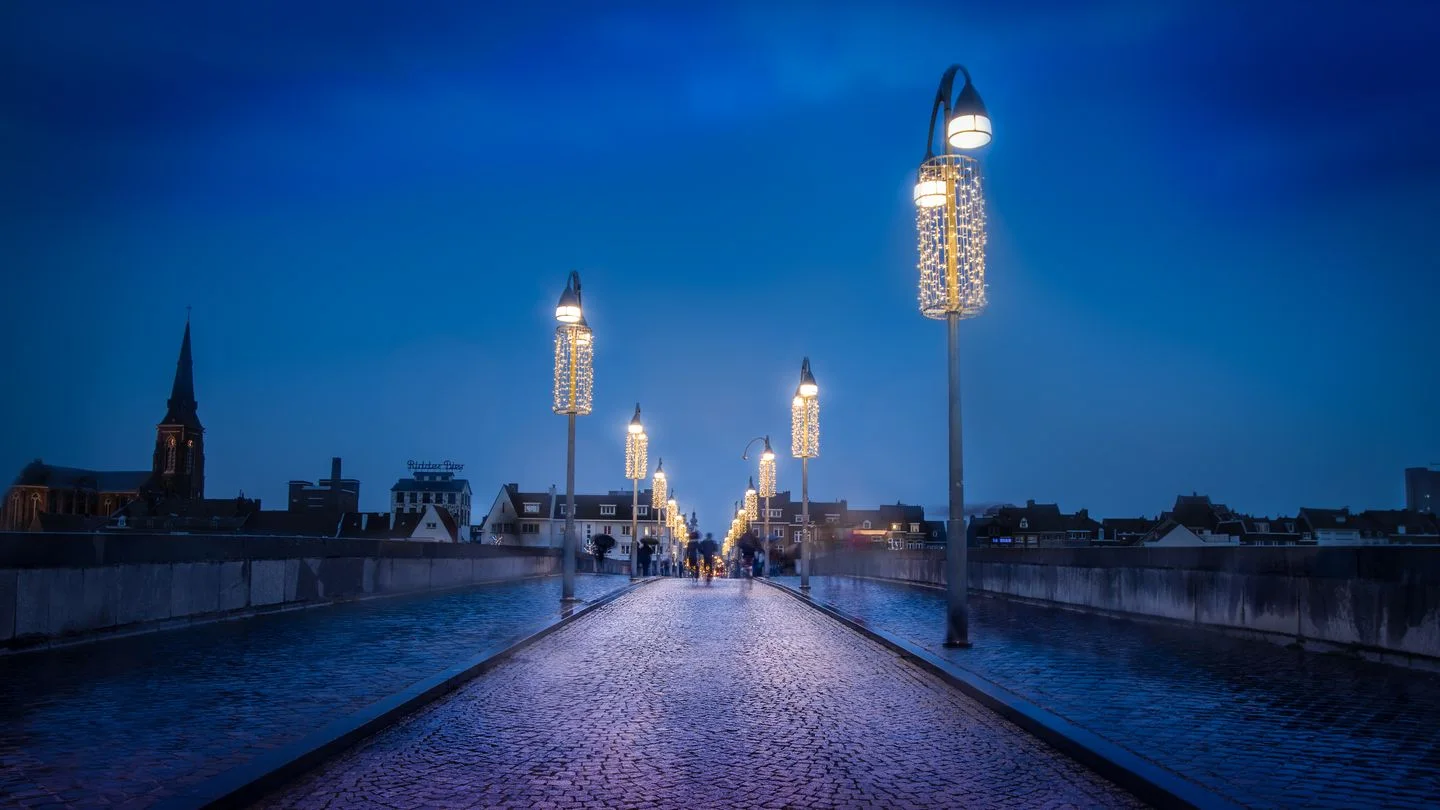
Sint Servaasbrug works both as a connection and a city landmark. An approach along the bank and a crossing offer different views without another booked excursion. When stopping for photographs, leave room for other people to use the bridge.
For another waterside section, consider Céramique south of Wyck as a separate choice. Centre Céramique and the Bonnefanten are here, with Hoge Brug linking the area to the historic side. An actual Bonnefanten visit deserves its own museum block. If your interest is comparing the riverfront spaces, make the bridge and a return along the Maas the focus instead of allocating the same time as an interior visit.
Allow an outlying visit to be a real commitment
Maastricht is often combined with additional excursions. For a short stay for two, another destination makes sense only if you have time for the journey, visit, and return. Check current admission or guided-tour arrangements directly rather than treating an outlying attraction as an automatic spare-hour stop.
Keep departure day's final walk capable of shortening towards the station. With a Wyck base, that may be another section of the neighbourhood; from the other bank, include the bridge crossing deliberately. This lets arrival and departure follow the same understandable geography.
Before booking accommodation, compare its evening position with the places where you actually expect to eat. Being close to a station and being close to your preferred final stop are different advantages. You can choose either, but a clear choice is more useful than assuming one address gives both.
Sources & current information
Opening hours, connections and conditions can change. Consult official sources before travelling and follow local notices.