Choose a waterfront section
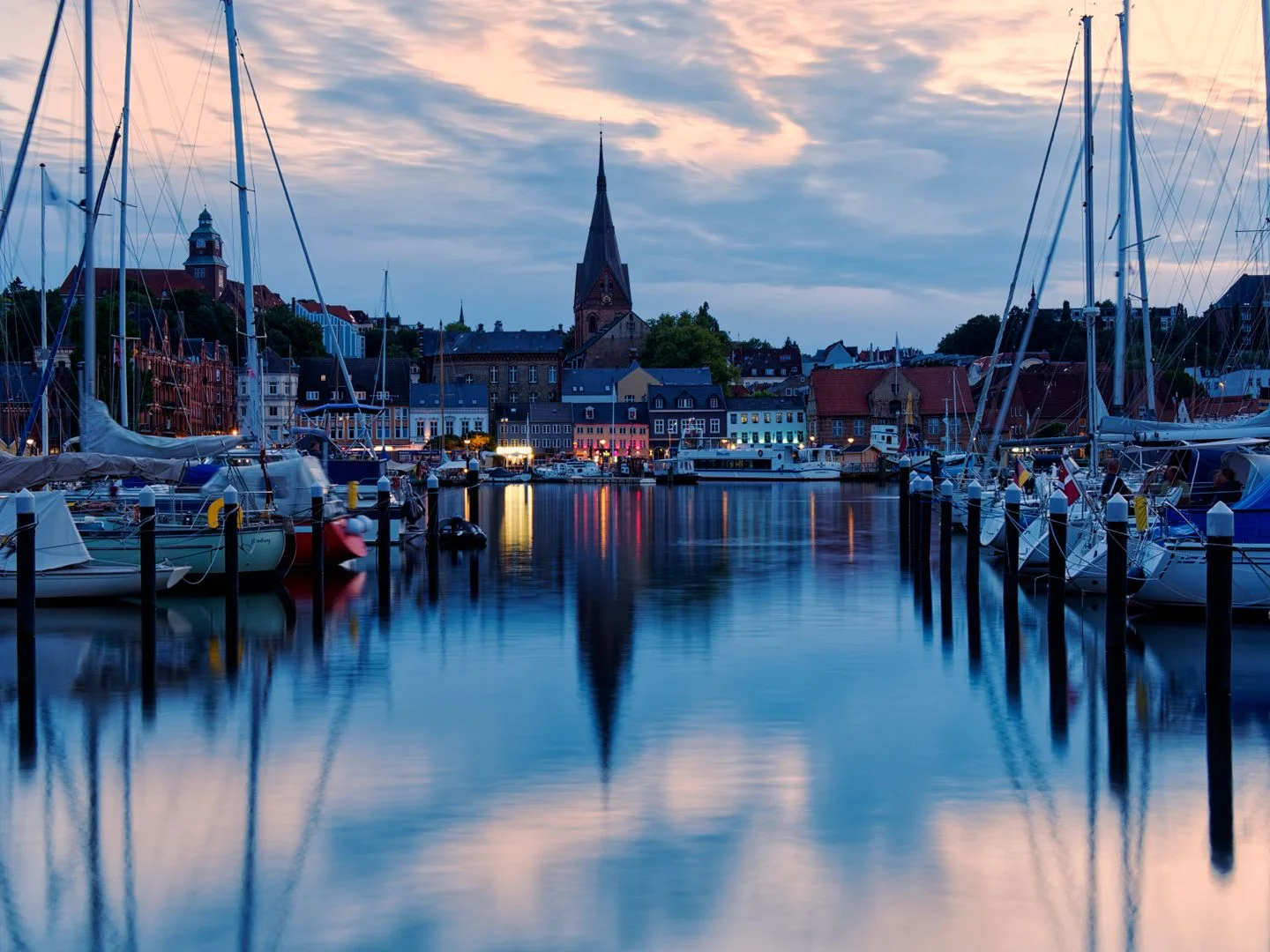
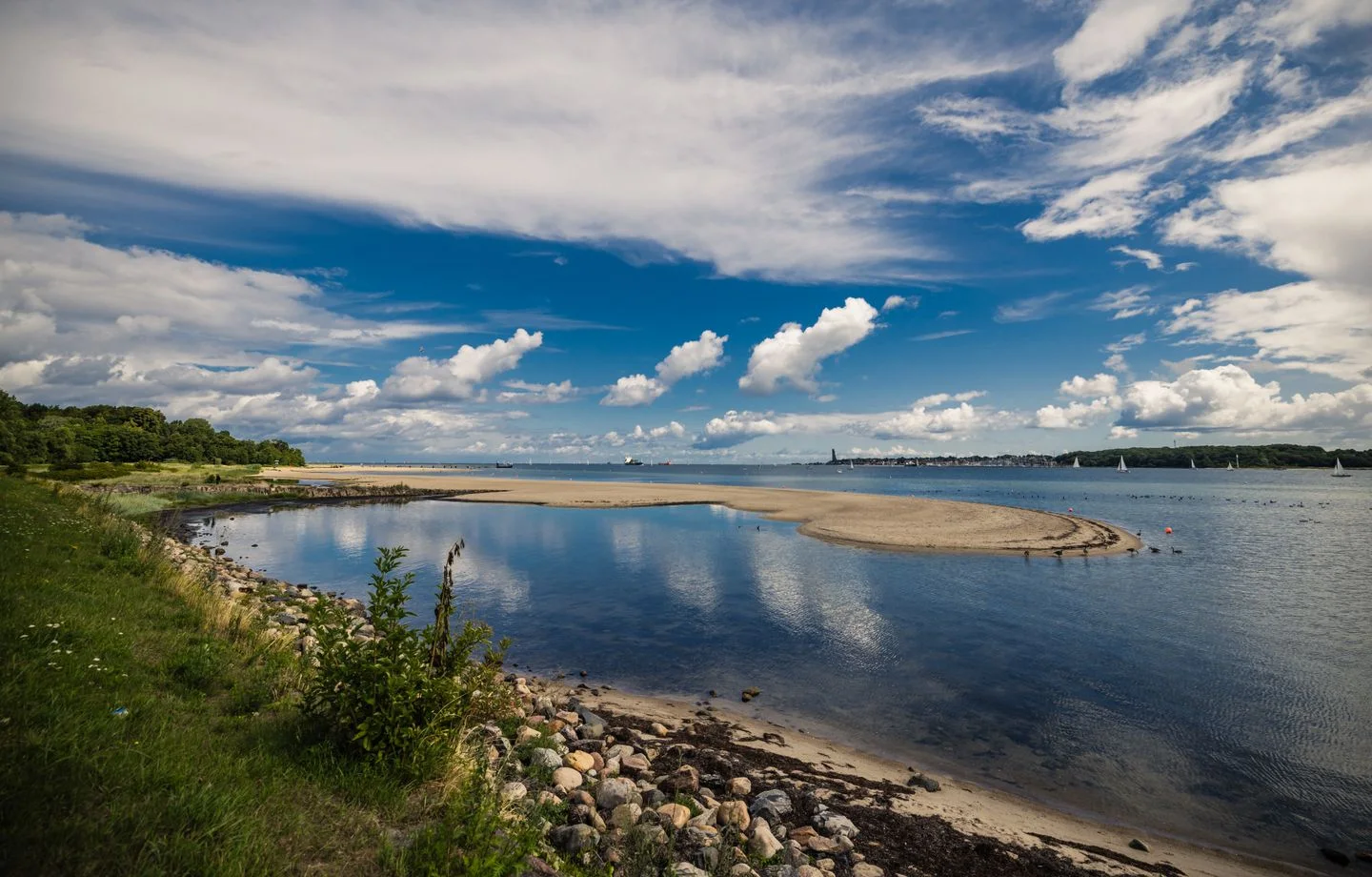
For a short stay in Kiel, the fjord provides a useful focus. That does not mean covering as much shoreline as possible in one day. Consult a current city map and choose a section both of you want to walk. A linear route also requires a return or onward-travel decision; the journey does not automatically finish wherever the desire to walk ends.
Agree on a point for reconsidering the plan. You can turn back, pause or use a current connection home. Check the local transport information rather than adopting a particular service or frequency from an old trip account. A satisfying shared day does not require a promised circular sailing or a lengthy route simply because it appears on a map.
For a named waterfront choice, use the Kiellinie and make Reventloubrücke a possible decision point. The local tourism information identifies the pier for fjord ferries there. If you actually want to go on the water, check the service for your date and the return journey first. If you simply want to walk, the pier remains a useful landmark without automatically committing you to a boat trip.
Distinguish this promenade section from your Fischhalle visit. You could begin with the city's maritime history and then make a deliberate move to the Kiellinie. Alternatively, put the longer waterside walk first and the museum later, if its opening arrangements suit. Plot the transition between them on a map. The museum and Reventloubrücke are separate destinations rather than two doors within the same building.
Use the Fischhalle as a connected subject
Kiel's maritime museum in the Fischhalle addresses the city's history as a port. The official museum information explains that the exhibition space includes views towards the fjord. A visit can therefore provide another approach to the same subject, rather than serving merely as a weather replacement. Check current opening arrangements and exhibitions with the museum.
Decide whether the visit interests both people. Someone primarily seeking water and movement may want a shorter museum period than a traveller examining models and historical detail. A recognisable meeting point after exploring at different speeds can work better than repeatedly hurrying each other through the displays. Keep enough time to reach that meeting point comfortably.
Build wind into the sequence
An open waterfront can feel substantially different from the centre when weather changes. Do not make every long pause depend on sitting outdoors; retain an indoor possibility. In poor conditions, avoid continuing farther solely because the original endpoint has not been reached.
Calculate departure from the final location and include luggage collection. If a pause runs long, shorten the optional final stretch. The fjord then remains the subject of the outing without turning the day into a competition to cover the greatest possible waterfront distance. The useful outcome is time beside the water that both travellers actually enjoy, with a manageable route back afterwards.
Sources & current information
Opening hours, connections and conditions can change. Consult official sources before travelling and follow local notices.