Use squares as anchors rather than collection points
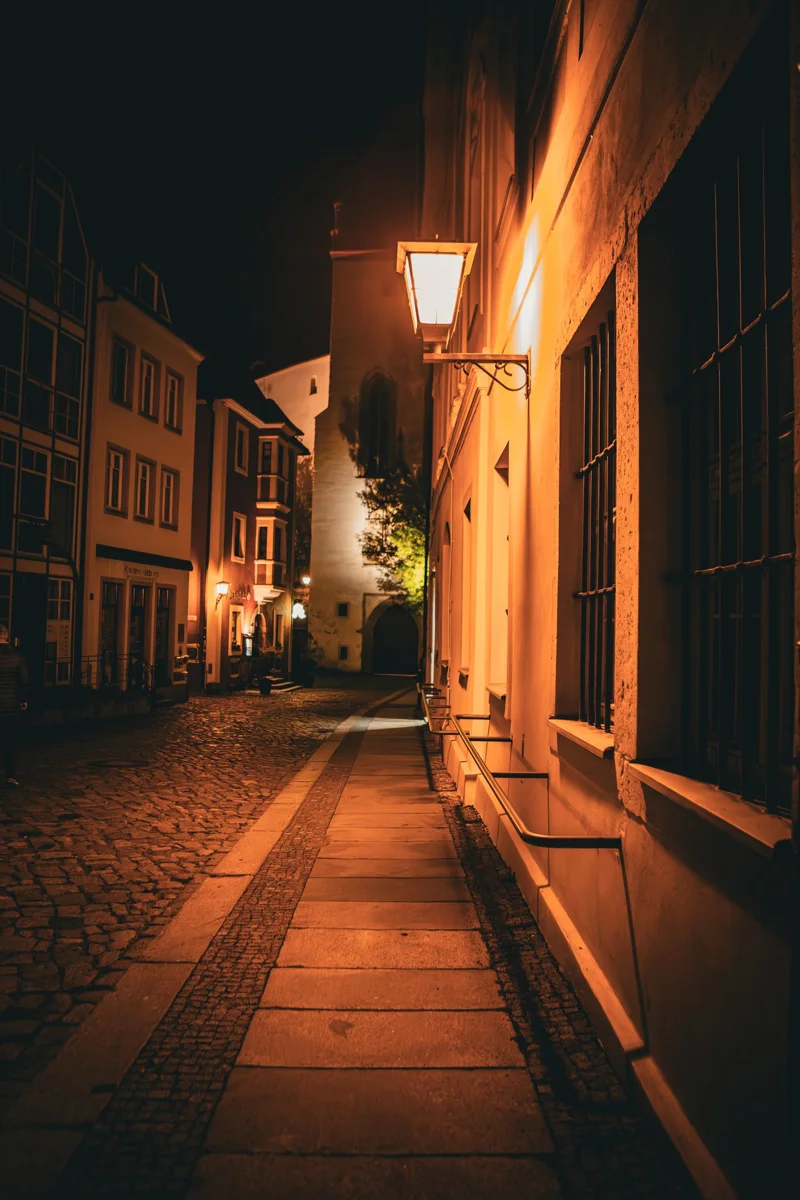
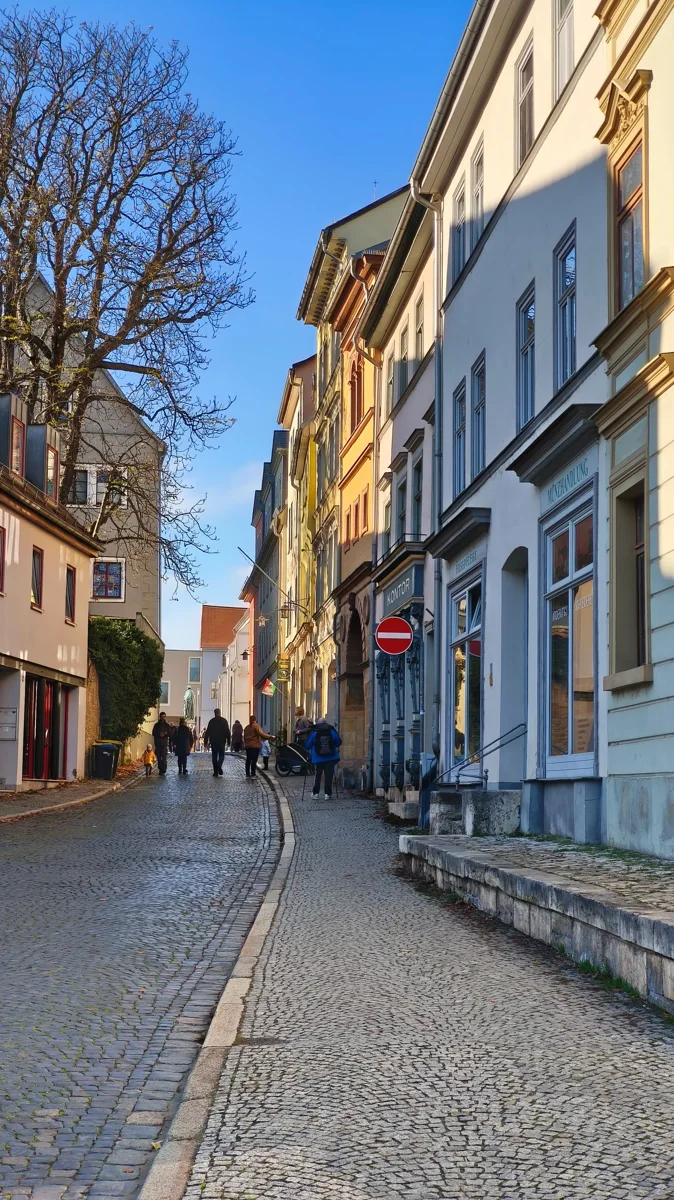
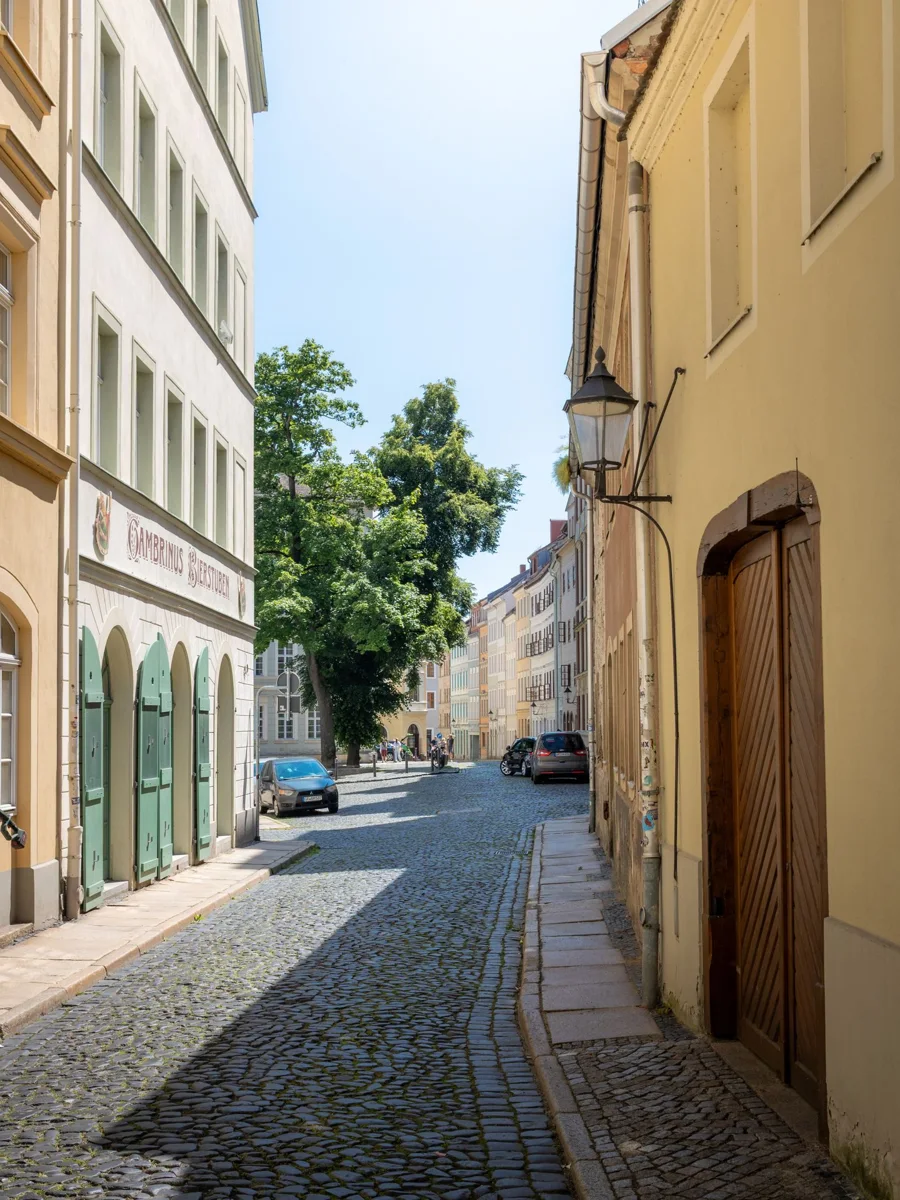
For a Görlitz weekend, take Obermarkt and Untermarkt as spatial anchors and explore the streets between them slowly. Municipal information locates parts of the historic centre along Brüderstraße and the two squares. This provides orientation rather than an instruction to cover every turning in one circuit. Choose a starting point that fits arrival instead of forcing a particular photographic sequence.
Begin with a map and shared interest. Are you looking for façades, city history or time without many admissions? Each encourages a different way of observing. A photographer needs time without making the other person wait at the pavement throughout. Agree on a short period for looking and a shared pause afterwards.
It is acceptable to remain at street level
An interior or current guided walk can be useful when a subject particularly interests you. It is not required as evidence that the city has been sufficiently visited. A sequence of square, street and another square reveals changes in enclosure, façades and use. Avoid immediately repeating every section merely to take another photograph of the same view.
Pay attention to everyday access. An open gate does not automatically make a public passage. For closed or clearly private areas, looking from outside is the appropriate option. A city map also offers better orientation than following photographs alone, whose locations may be farther apart than they appear. Keep the route connected rather than jumping between isolated images.
At Untermarkt, choose the Schönhof as a specific possible indoor visit. It houses the Silesian Museum, whose addresses on Brüderstraße and Untermarkt place it within your chosen central area. For an interest in regional history, this is a different kind of visit from another extended walk past façades. Check the museum's current exhibitions directly before making it the focus.
That produces two distinguishable days: Obermarkt, Brüderstraße and Untermarkt with plenty of outdoor time, or the same basic sequence with a longer stay inside the Schönhof and fewer side streets. During the museum visit, one person can read more closely while the other explores selected rooms. Agree a precise meeting point at Untermarkt afterwards, so your shared pause does not begin with a search across several similarly named squares.
Give the second day another emphasis
If staying overnight, the second day need not reproduce a smaller version of the first. Choose a more focused interior or spend longer in an area that appealed. Revisiting can be interesting in different light without requiring yesterday's programme to be repeated. Let the first day inform the choice instead of filling both in advance.
Set a clear departure boundary and check the journey from the final stop. Include collecting luggage if needed. The benefit of short urban distances is not fitting in still more appointments. It is being able to make decisions during the visit without reorganising the whole outing. Leave an optional final section to accommodate those decisions.
Sources & current information
Opening hours, connections and conditions can change. Consult official sources before travelling and follow local notices.