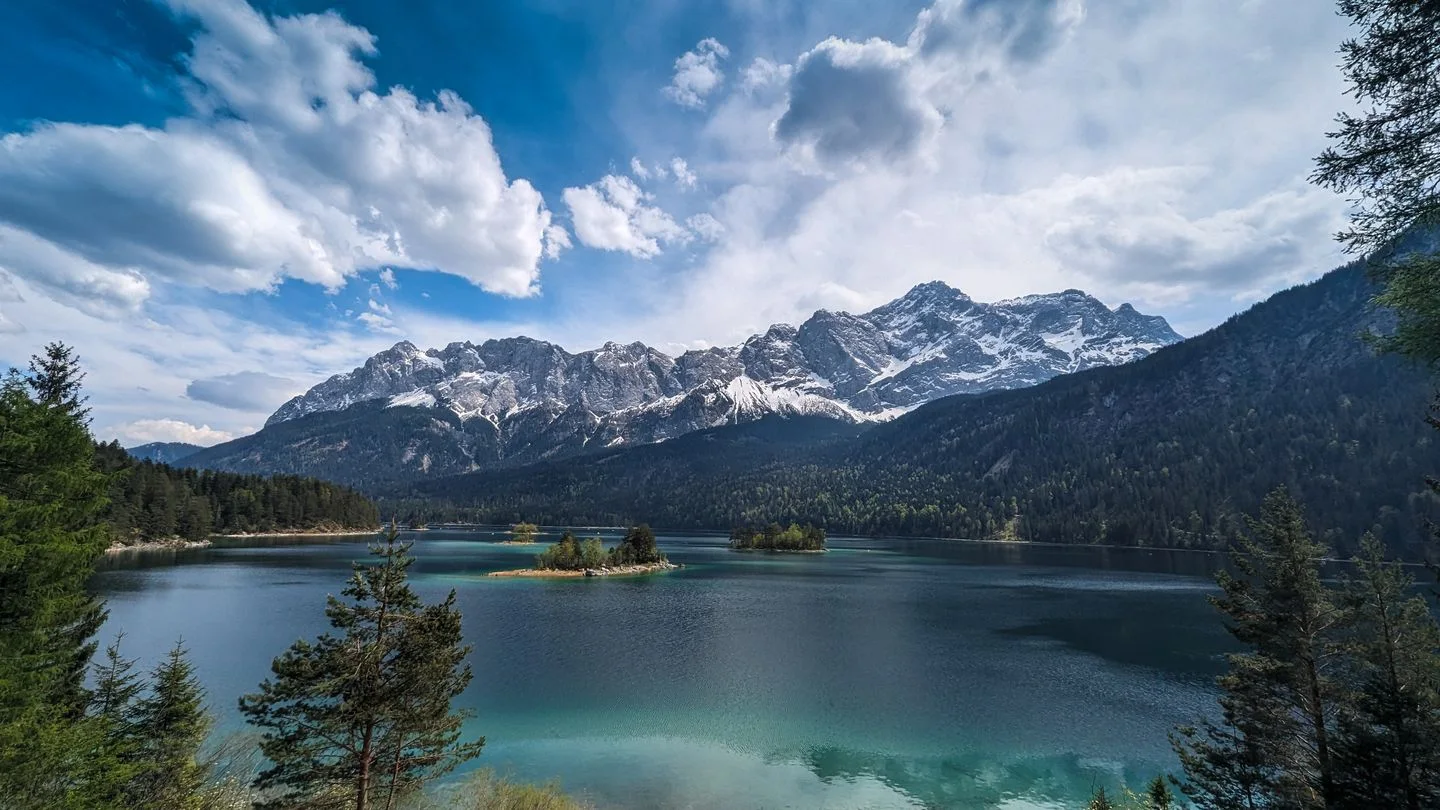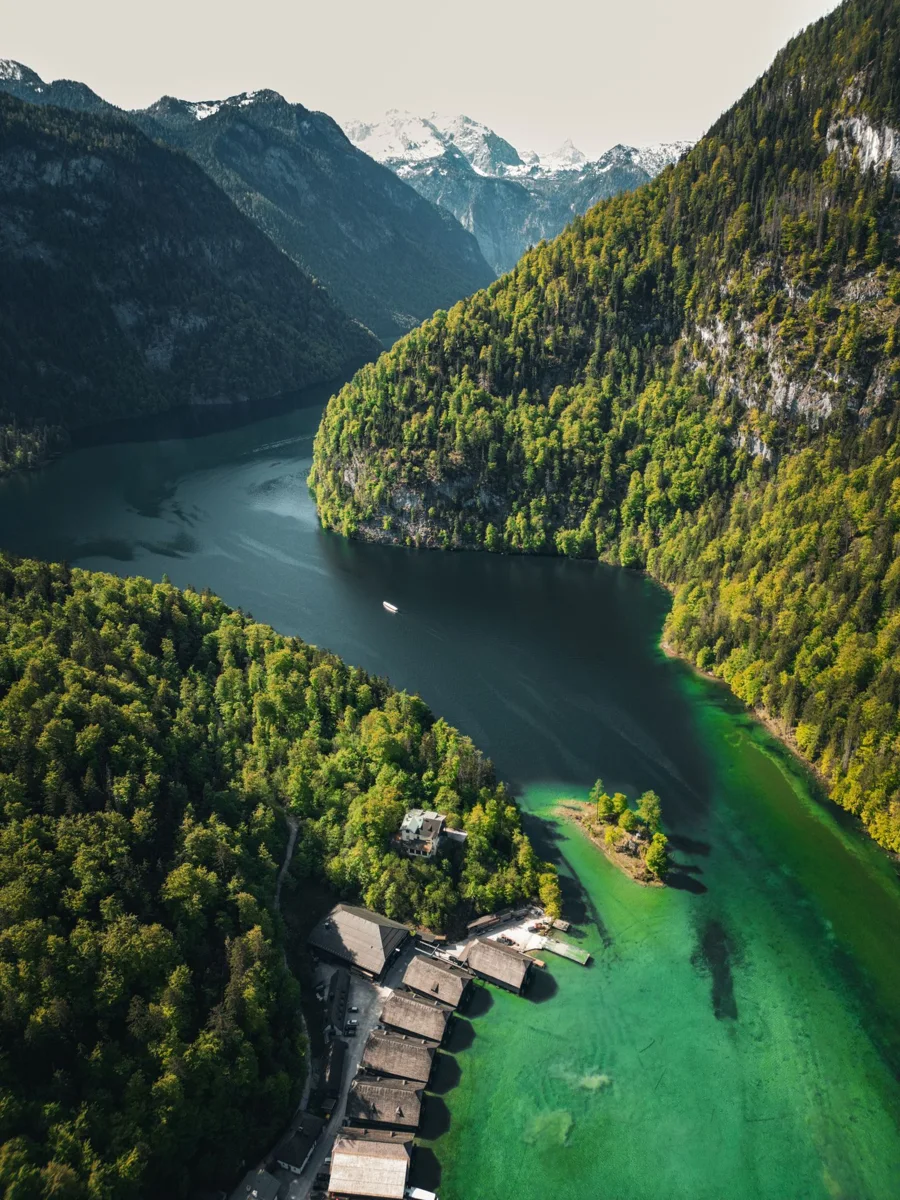
Begin at the appropriate end
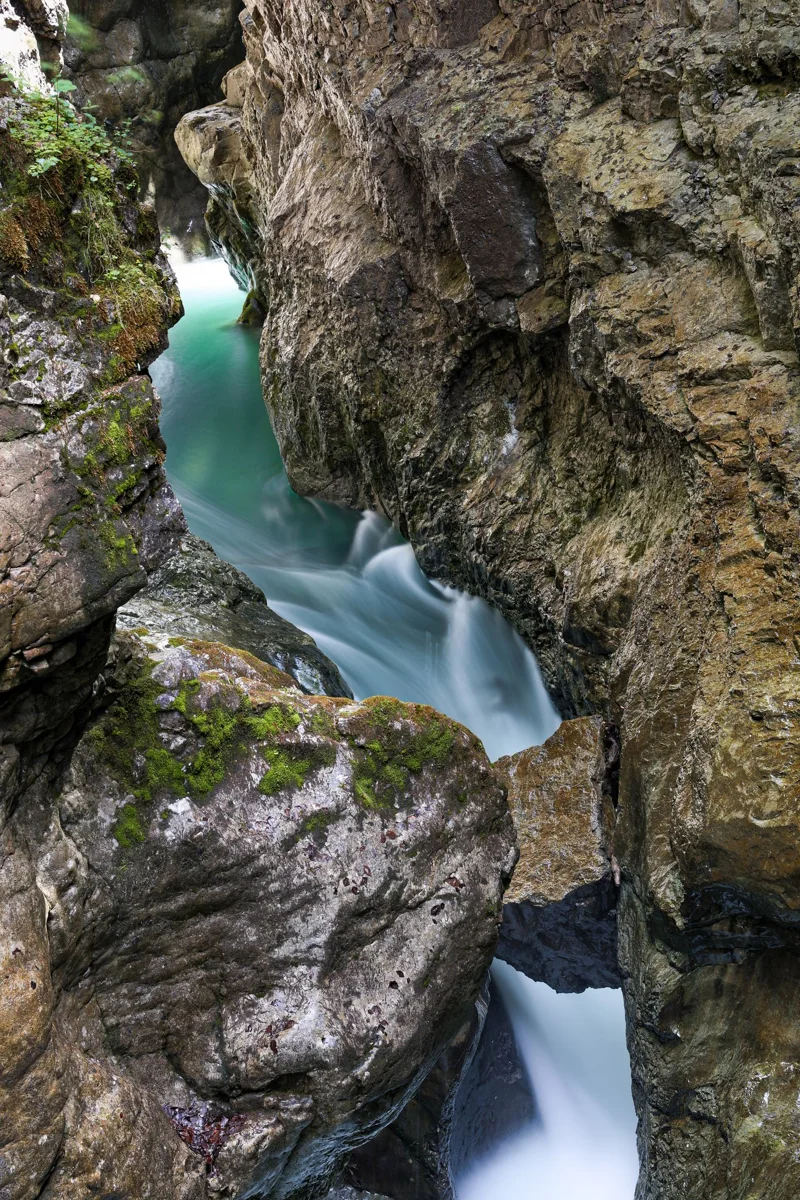
Pictures emphasise a confined space of water and rock. The organisation outside the gorge matters equally. Establish arrival, entry, and the point where the selected route brings you out.
Operator guidance distinguishes parking areas and their approaches. An upper starting place and a beginning near Tiefenbach are not simply different names for an identical arrival. Choose using the actual overview rather than the first navigation suggestion.
The complete outing includes arrival, approach, passage, and return. A short gorge section may be linked with a longer journey back to the starting place. Both people should understand that total.
Use the current seasonal version
The operator publishes seasonal route options. Weather and maintenance can change availability. Read the version applicable to your date together with short-notice status updates.
Examine profiles and surfaces too. The operator explicitly notes steeper exits and high-mountain conditions. A modest kilometre figure does not automatically describe an easy stroll.
Recheck a plan from a previous summer or winter. A route ending at another access point must still connect appropriately today. An older travel account cannot establish that.
For particular mobility needs, ask about the selected route specifically. A broad question about the attraction is insufficient: entrance, sections, exit, and return may differ substantially.
Do not assume that a map colour representing a route is a universal difficulty rating. Read the legend and accompanying explanation rather than importing the meaning used by another walking application.
Establish the return before entering
Plan backwards: where must the final stage finish to reach your car or intended stop? Fit the gorge route before that. This avoids beginning the search for an onward connection at the exit.
If public transport forms part of the return, check current departures and the actual walk to its stop. A service named in an overview is not a permanent connection guarantee.
A circuit outside the gorge may be attractive but needs its own assessment. A thin line in an overview is not yet an understood part of the outing.
Keep the plan simple enough for both people to explain. A named entry, comprehensible route, and clear return often help more than numerous saved options whose differences have been forgotten.
Move considerately within the passage
Other visitors form part of the narrow-path setting. Keep frequently used belongings accessible and avoid spreading bags. Choose a resting place that does not create a bottleneck.
Select footwear and clothing for the confirmed route and conditions. A dry road at arrival is not an adequate guide to the gorge environment. Follow operator instructions.
Photography should leave attention available for the path. Make a deliberate brief stop rather than continually walking backwards or watching only the screen. A picture does not require moving outside the designated boundaries.
If one person wants more photography time, agree that beforehand. It is easier to allocate a suitable pause than repeatedly interrupt movement in confined locations.
Respond to status changes
Check the status page shortly before departure. It distinguishes general operation, parking, and path sections. A favourable indication in one area does not automatically confirm the rest of the plan.
If the intended connection is unavailable, use another confirmed suitable option or postpone. Travel effort already invested is not a reason to attempt an unclear continuation.
Preparation extends beyond the rock walls. A coherent Breitachklamm day begins with an appropriate entry and ends with an equally understandable return.
Sources & current information
Opening hours, connections and conditions can change. Consult official sources before travelling and follow local notices.